

For any parent sending a child on a residential trip abroad, one question sits underneath all the others: will my child be safe?
When the destination is Thailand, that question gets more specific. What does student safety in Thailand actually look like day to day?
For us, safety is not a line in a handbook or a box ticked during planning. It shapes every decision, every timetable and every member of staff, from arrival at the airport to departure day. Students are supervised, supported and accounted for at all times.
Supervision That Never Switches Off
Supervision starts the moment the group lands and never pauses. Students are looked after in lessons and on excursions, but also during transitions, downtime and evenings.
The assigned Group Leader stays with the group all day as the first point of contact. Above them, the Tour Manager oversees the whole programme, making sure everything runs to plan and any issue is dealt with straight away, so there is always more than one layer of supervision.
At The Palm Residence, there is 24/7 security and a resident welfare team. Entry and exit points are monitored, and staff are always on hand for students and group leaders.
At no point in the day are students left to fend for themselves somewhere unfamiliar. That consistency is what makes safety work in practice, not just on paper.
A Risk Assessment for Every Excursion
Every excursion is planned with safety as the starting point, never as an afterthought.
Before any group visits a location, a full risk assessment is completed. Hazards are identified, the controls are written down, and every member of staff knows their role on the day.
Where needed, locations are checked in advance, transport comes from trusted providers and timings are set to avoid rush and crowds. Students never go anywhere that has not been assessed and approved, which matters most in busy places like Bangkok.
The Student ID Wristband
Every student receives a Dragon Study Tours wristband at the start of the programme and wears it throughout their stay.
It shows the student’s name, group number and an emergency contact number. In crowded places such as the Grand Palace, floating markets or Hua Hin’s night market, it gives instant identification.
If a student gets separated from the group, staff or members of the public can use the wristband to contact our team directly. It is a simple system that makes a real difference where crowds are unavoidable.
Clear Communication Between Staff
Good supervision depends on fast, consistent communication.
The Group Leader stays in direct contact with the Tour Manager, who coordinates the wider operation and the accommodation team. Group leaders from your school are kept fully informed, with updates through the day and any timetable changes shared clearly in advance.
If a welfare concern is raised, it is acted on immediately, not left for later.
Structure That Reduces Risk
The best way to manage safety is to remove uncertainty. That is why the whole programme is built to limit risk before it arises.
Students move as a group, timings are controlled, locations are chosen carefully and staff roles are clearly defined. There are no gaps in supervision, no unplanned activities and no expectation that students handle situations alone.
The result is an environment where students can focus on the experience itself.
Confidence for Parents, Stability for Students
For parents, safety comes down to trust: knowing their child is not just safe, but properly supervised and supported. For students, it means stability: knowing where to be, who they are with and who to turn to.
A well-run programme delivers both. Safety is not a separate feature; it is built into everything we do, from airport arrival to the final day.
Safeguarding Standards
Our safeguarding approach follows the standards set out in the British Council Accreditation Handbook. Staff are vetted, trained and work to a clear code of conduct, and any concern involving a student under 18 is handled through documented procedures.
This is the framework international schools and education agents use to judge whether a programme is right for their students. Read more about our quality and safeguarding standards.
Why Hua Hin Makes It Easier
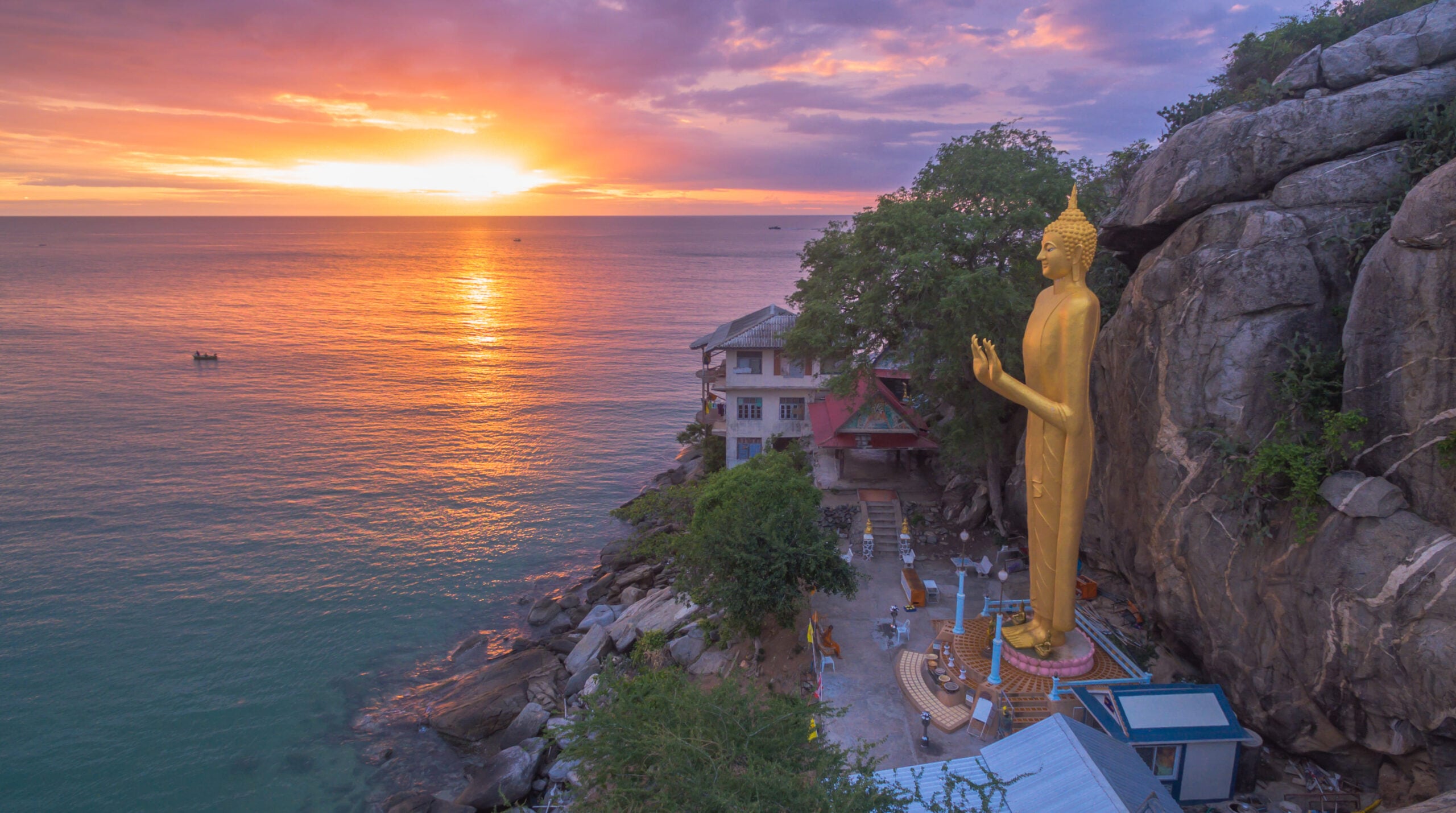
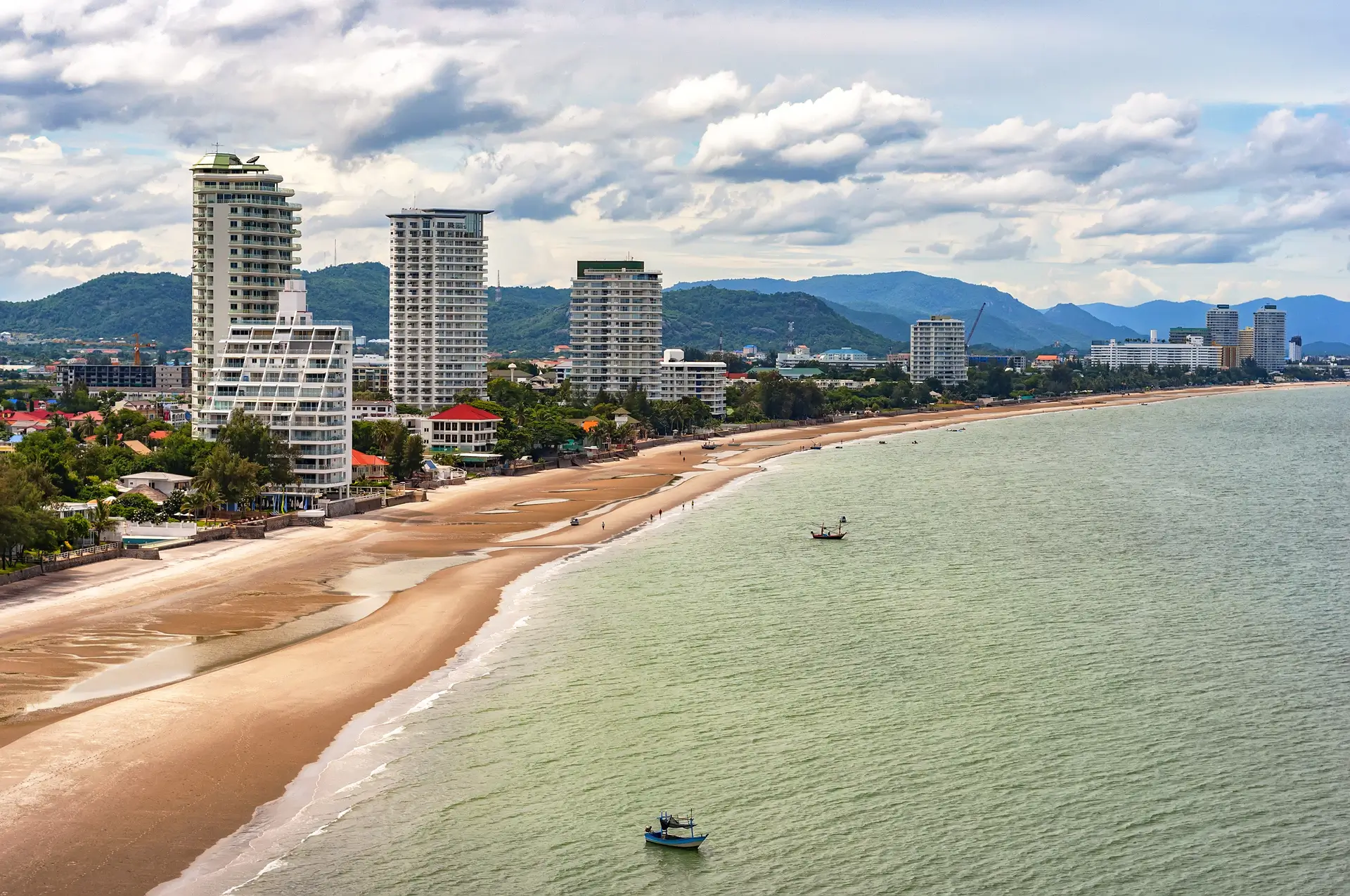
Our choice of base helps a great deal. Hua Hin is not Bangkok: it is a calm, well-run coastal town that has welcomed Thai and international visitors for generations.
Its relaxed pace makes excursions easier to manage, and locals are used to international visitors, so students rarely find themselves somewhere that feels overwhelming.
Safety Essentials for Group Leaders
Safety starts long before the flight, with risk assessments, medical information, insurance and clear rules agreed with the school. Our guide to school trip risk assessment walks you through it.
On the ground, heat, water and road safety are the everyday priorities. Simple habits, such as drinking regularly, wearing sun cream and sticking with a buddy, prevent most problems.
Find Out More
There is plenty to explore in Hua Hin, all managed with safety first. See how a full programme fits together in our guide to school trips to Thailand.
Visit our English camp page for the full programme, or start your booking.