
Ethical Elephant Sanctuary Experience in Thailand
Safe, structured and fully supervised, with clear safeguarding at every stage.

The Elephant Conservation Experience for School Groups
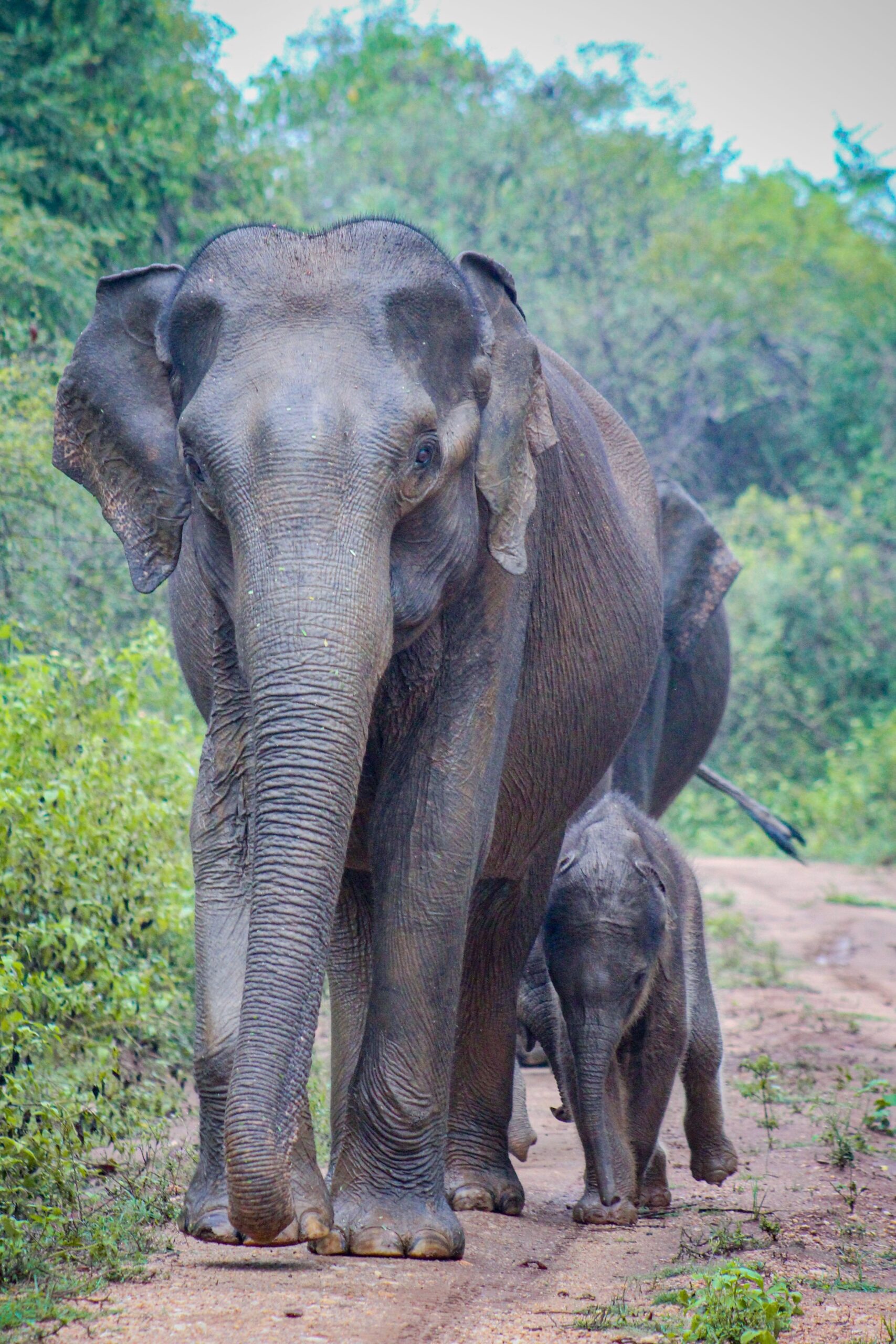
Spend your mornings caring for rescued elephants and your afternoons exploring Thailand. The Elephant Conservation Experience takes school groups to an ethical elephant sanctuary in Thailand: the Hutsadin Elephant Foundation in Hua Hin.
It is a residential programme for closed school groups and agent-led groups only. Students learn inside real conservation settings run by established ethical animal welfare organisations, including Wildlife Friends Foundation Thailand.
Along the way they learn about environmental science, animal protection and responsible tourism first-hand. Everything is fully supervised, and groups stay at The Palm Residence, just 6.7 km from Hutsadin.
For directions and photos, see the Hutsadin activity page. You can also compare our other elephant conservation experiences, including wild elephant watching at Kui Buri National Park.
Before Your Group Arrives
Booking an Ethical Elephant Sanctuary Trip
The Elephant Conservation Experience is for closed groups: schools, or cohorts organised through international language travel agents. Groups can visit this ethical elephant sanctuary in Thailand all year, so you can pick dates that fit your travel plans or academic calendar.
- Full itinerary planning: a bespoke 14-night, day-by-day schedule, sent well before you travel.
- Pre-departure pack: clear documents for leaders, agents and parents covering logistics and safety.
- Direct coordination: a dedicated contact at Dragon Study Tours manages your group’s needs from day one.
Your Digital Welcome Pack
Before students even land in Thailand, they get access to the Elephant Conservation App. It is their one-stop guide to the trip, so everyone arrives prepared, informed and connected.
- Personal daily schedules: conservation sessions, excursions and activities, all in one place.
- Excursion notes and key facts: so students know what they are about to discover.
- Emergency contacts: quick access to our staff, group leaders and local emergency services.
Morning Conservation Projects

Elephant Sanctuary Care
The elephant foundation is the main base for learning about elephant care and how a sanctuary is run.
- Expert-led care: students learn about elephant nutrition and healthcare, guided by mahouts.
- Ethical management: how an ethical sanctuary works to protect rescued elephants.
- Behaviour watching: getting to know each elephant’s history, name and personality.
- Sanctuary upkeep: helping with the daily care of elephant habitats and feeding areas.
- Conservation lessons: the threats facing Asian elephants and the future of wildlife protection in Thailand.

Wildlife Rescue Centre
A rare look inside one of Thailand’s most respected wildlife rescue and rehabilitation organisations.
- Many species: see how primates, bears and big cats rescued from exploitation are rehabilitated.
- Enrichment: the science behind keeping recovering animals active and stimulated.
- The wildlife trade: a session on trafficking and Thailand’s role in regional conservation.
- Behind the scenes: how a world-class rescue operation runs day to day.
- Habitat care: helping staff with daily care across enclosures for many different species.

Dog and Cat Rescue
Here the focus is community animal welfare and how domestic animal rescue works in practice.
- Socialisation: using trust-building methods with rescued dogs and cats.
- Welfare standards: the level of care and grooming rescued animals need.
- Community impact: how big the stray animal problem is, and what grassroots rescue achieves.
- Practical help: joining in with the feeding and cleaning that keep the centre running.
- Grassroots support: how small donations and local help drive animal protection.

Mangrove Restoration
A change of pace, from animal welfare to ecosystem restoration and protecting the coast.
- Restoration: guided mangrove planting and coastal forest restoration.
- Biodiversity: how mangroves support marine life and store carbon.
- Pressures: the balance between protecting habitat and the demands on Thailand’s coast.
- Field observation: spotting local species that depend on the mangrove nursery.
- Coastal protection: why mangroves matter for shielding communities from erosion and climate change.
Feedback Every Day
We collect feedback throughout the Elephant Conservation Experience, so standards stay high for students and group leaders alike. A dedicated mobile app gathers daily feedback and sends live updates and key messages straight to the group.
Everyone stays informed, and our team can sort out any issue quickly. It keeps the programme safe and well run from start to finish.
How we keep quality high
- Daily feedback through a dedicated app
- Live updates and key messages sent straight to groups
- Clear, real-time communication for safety and coordination
- Ongoing improvements while the programme runs
A Day at the Elephant Sanctuary


How the day works
Every day balances conservation learning, cultural discovery and student wellbeing. The whole programme runs within a fully supervised, safety-first framework, with safeguarding and operational standards put first.
We follow the safeguarding principles set out in the British Council Accreditation Handbook. All activities are backed by full risk assessments, licensed transport providers, insured partners and strict operating procedures.
Morning: registration, breakfast and briefing
06:15 to 07:15: Wake up and get ready
Students wake at The Palm Residence and get ready for the day. Wi-Fi comes on at 06:30 for messages home.
07:15 to 07:45: Breakfast at Coco Café
A freshly made breakfast at The Palm before the day begins.
07:45 to 08:00: Conservation briefing
Group leaders take registration and run a briefing on the day’s conservation focus, the partner organisation, learning goals and key safety points.
After the briefing: set off
The group travels together to the day’s conservation partner by private air-conditioned minivan or coach, depending on group size. A dedicated English-speaking local guide stays with them throughout.
Arrival
Conservation staff welcome the group and introduce the day’s focus. Then the hands-on learning begins.

Safety and standards
Student welfare shapes how we design and run every part of the programme. All activities are run to high standards of safety and professionalism.
We follow British Council safeguarding principles, backed by detailed risk assessments for every activity, venue and journey. We use licensed, insured transport providers and activity partners chosen for their strict operating and welfare standards.
Students are fully supervised at all times, with medical, dietary and emergency procedures agreed before arrival. A dedicated English-speaking local guide also stays with each group all day, for supervision, clear communication and on-the-ground support.
Morning at the Elephant Sanctuary
08:30 to 12:00: Morning conservation session
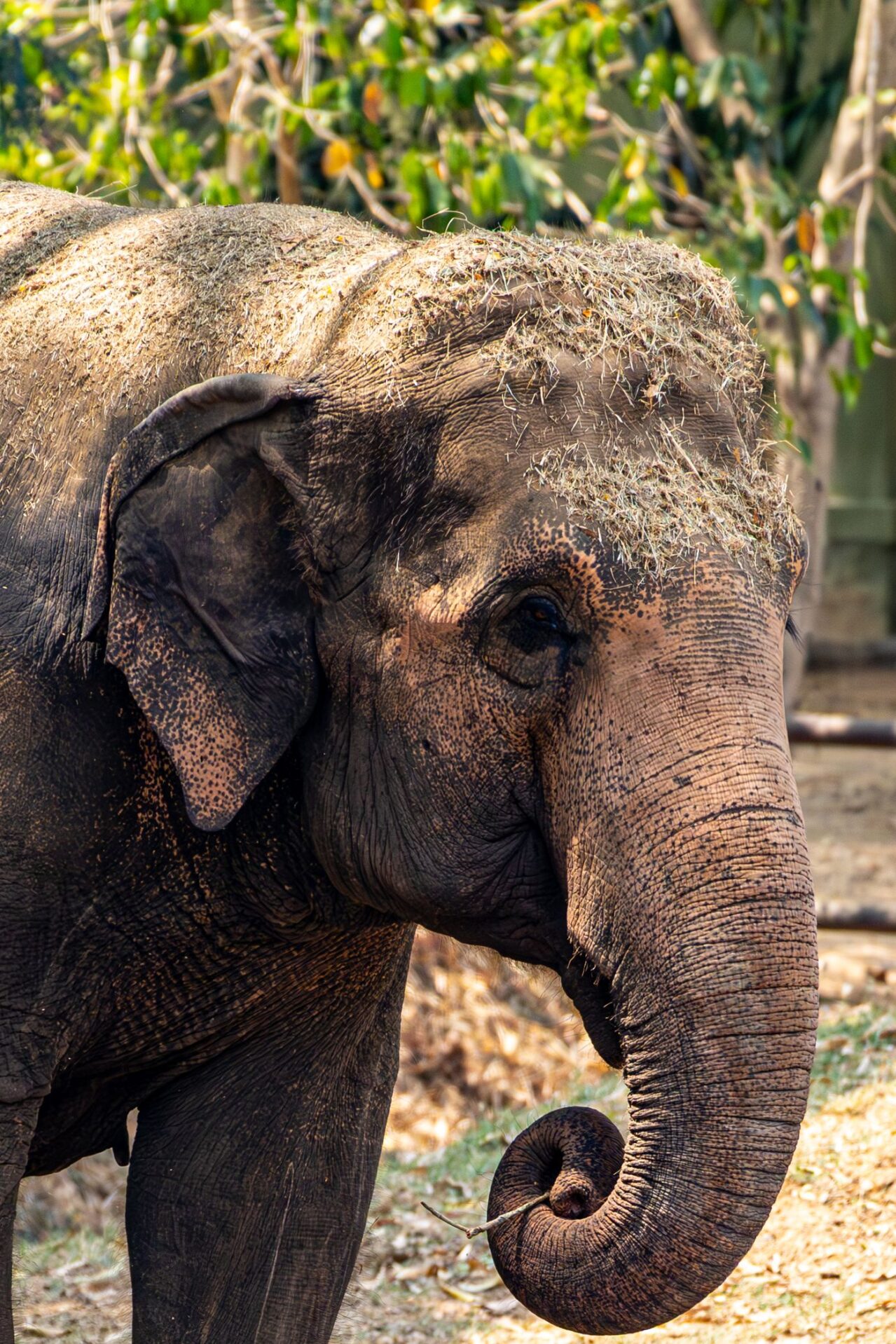
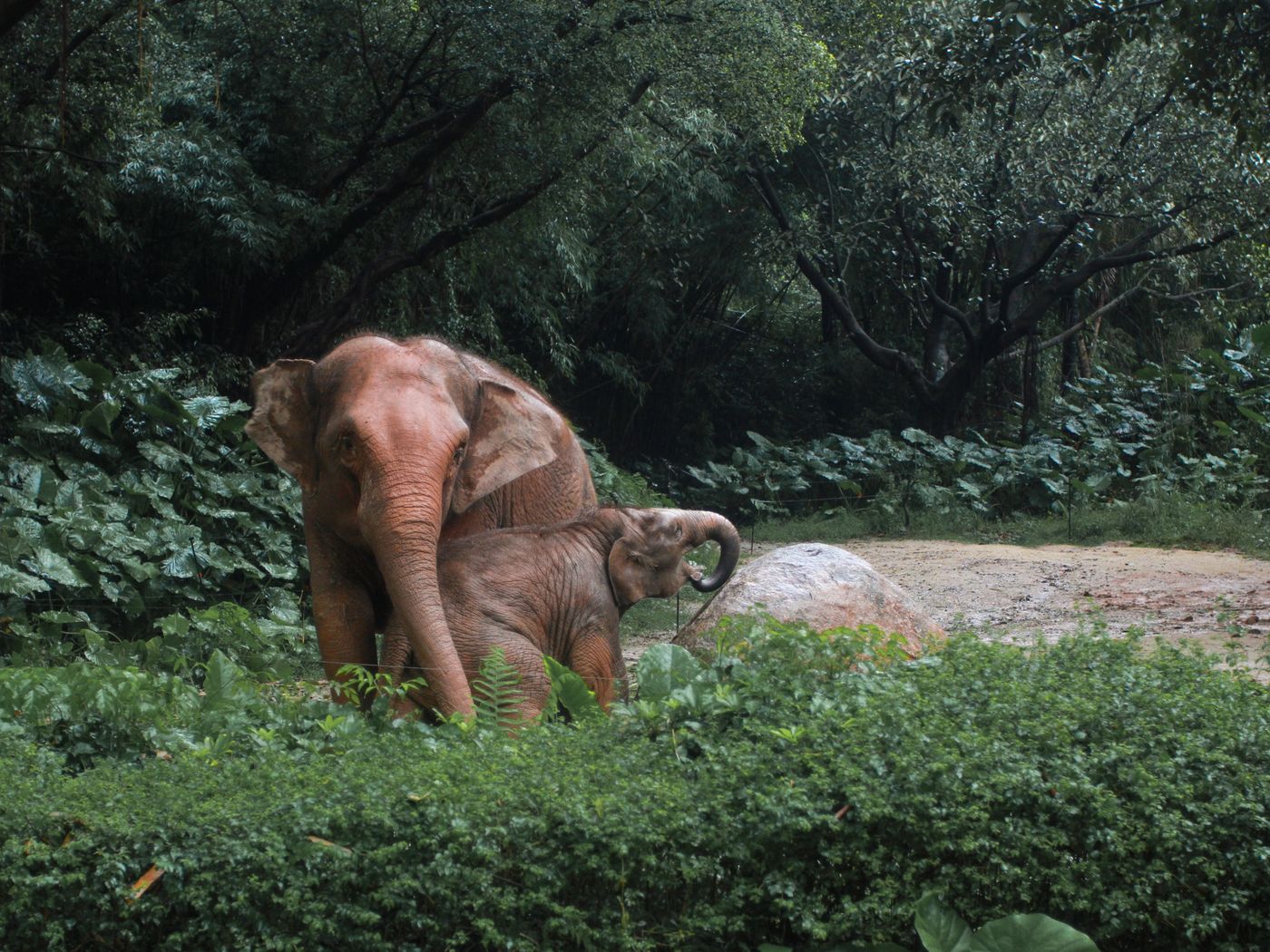
Students join a structured, fully supervised session with an ethical elephant welfare partner. It is hands-on and immersive, focused on elephant care, behaviour and conservation in a real working sanctuary.
What students learn
- Elephant behaviour and communication, including herd dynamics and social structure
- Welfare and ethical care in modern conservation
- What elephants need from their habitat, and how it is managed
- The main conservation challenges facing elephants in Thailand today
What students do
- Work with experienced conservation staff who guide them throughout
- Help with daily care such as preparing food, enrichment and habitat work, where appropriate and always supervised
- See real conservation work in ethical, working settings
- Hear what each task is for, so practice links to purpose
Welfare and supervision
- Regular water and rest breaks
- Full supervision by trained conservation staff and group leaders at all times
- Safe, structured sessions that put students and elephants first


Afternoons: Culture and Discovery
After the morning session, the afternoon brings culture, local exploration and guided discovery across Hua Hin and the surrounding area. It is a full part of the programme, with a supervised activity every day.
Closed groups stay together all afternoon and travel by private air-conditioned minivan or coach, depending on group size. A dedicated English-speaking local guide is with them at all times, giving supervision, support and cultural insight.
Afternoons can include:
- Thai cooking workshops
- Temples and cultural landmarks
- Traditional crafts
- Local markets and community visits
- Sightseeing around Hua Hin and the wider region
Choose a ready-made itinerary or a fully bespoke afternoon plan built around your learning outcomes, age group and travel goals.


Evenings: Dinner and Downtime
19:00 to 20:00: Dinner
Dinner is either at Coco Café at The Palm Residence or at a hand-picked local restaurant, depending on the day’s excursion and return time.
- Thai and Western food: a varied menu all week.
- Local restaurants: on excursion days, groups may eat out at good local restaurants on the way back to The Palm.
- Freshly made meals: chosen for quality, nutrition and variety.
- Dietary needs covered: vegetarian, allergy and other dietary needs arranged in advance.
- Time together: dinner is a chance to relax, reflect and enjoy the group after a busy day.
20:00 to 21:30: Evening at The Palm
After dinner, students head back to The Palm for a relaxed, supervised evening.
- Group reflection and journals: talking through the day’s highlights.
- Downtime: relax, shower, read or get ready for tomorrow.
- Calling home: set time to call or message family before lights out.
Wi-Fi goes off at 21:30 and comes back on at 06:30. It helps students sleep well and wake up ready for the day.
Getting Students Ready for the Elephant Sanctuary
A visit to an ethical elephant sanctuary in Thailand means more when students know the background. A short lesson on elephants in Thailand, their long history with people and the problems they face today helps students ask better questions.
Our articles on human-elephant conflict in Thailand and the elephant logging ban make good starting points. Students could each research one question and put it to the sanctuary staff.
What students do at the sanctuary
Students watch elephants behave naturally and learn from the people who look after them. The focus is on what the animals need, such as food, space and company, not on entertainment.
They often help with simple jobs around the sanctuary, depending on what the centre allows that day. Sanctuary staff lead every activity and explain what is happening and why.
Why we only use welfare-first sanctuaries
We only work with places that put their elephants’ welfare first. That means no riding, no shows and no activities that make elephants perform for visitors.
Choosing the right sanctuary is a lesson in itself: responsible tourism means asking how our choices affect animals and local communities. Our guide to the Hutsadin Elephant Foundation looks at one example in detail.
Linking the visit to the curriculum
An ethical elephant sanctuary visit links naturally to science, geography and citizenship. Students can study habitats and food chains, look at how land use affects wildlife or debate the ethics of animal tourism.
Back at school, they might give a presentation, write a persuasive article on responsible tourism or design a leaflet for future visitors. That is how a memorable day becomes learning that lasts.
Tips for teachers
- Pack hats, sun cream, insect repellent and refillable water bottles
- Choose clothes students do not mind getting muddy, and closed shoes
- Brief students to stay calm and quiet around the elephants
- Follow every instruction from sanctuary staff
Our free school trip planning kit includes a risk assessment template you can adapt for this trip, plus a packing list and parent letter.
Fitting it into your trip
Most groups make the elephant sanctuary one highlight of a longer stay in Hua Hin, alongside English lessons, cultural visits and other excursions. Our guide to school trips to Thailand shows how it fits into a full programme.
To add the Elephant Conservation Experience to your itinerary, request a free quote and tell us about your group, dates and learning aims.
Questions schools ask us
Is an ethical elephant sanctuary visit suitable for younger students?
Yes, as long as we plan it around their age. Younger groups usually spend more time watching and listening, while older students can join discussions on conservation and ethics.
How long does the visit take?
Most visits take a morning or an afternoon. We plan travel time from Hua Hin so the day never feels rushed.
Will students touch the elephants?
That depends on the sanctuary’s own rules and on the elephants’ welfare on the day. Staff decide what is right, and students always follow their lead.
Can we combine the visit with other conservation activities?
Yes. Many groups pair it with our environmental education camp for a fuller picture of conservation in Thailand.


Weekend Excursions and Bigger Adventures
Weekends are kept for bigger adventures beyond the conservation timetable, so students see even more of Thailand. Depending on your itinerary, that could mean full-day trips to regional highlights, cultural experiences somewhere new or time in Bangkok, with overnight stays where needed.
Think famous city sights, lively markets and big group days out. Weekends add real excitement to the programme and make sure no two days feel the same.
Conservation, Culture and Adventure in One Trip
The Elephant Conservation Experience pairs an ethical elephant sanctuary in Thailand with wildlife rescue, giving students aged 13 to 17 a mix of ethical wildlife encounters, conservation lessons, cultural discovery and time outdoors across Hua Hin and the surrounding region.
It is built for real engagement, not a traditional volunteer placement. Expert-led conservation sessions sit alongside quality excursions, structured learning and full supervision.
The programme runs all year, with an itinerary planned to balance conservation, exploration and rest from arrival day to departure.
Why Schools Choose Our Ethical Elephant Sanctuary Programme
- A balanced day: conservation, excursions and downtime planned so the pace feels right.
- Real conservation access: structured, supervised sessions with ethical partners, designed for learning, not labour.
- More than elephants: wildlife rescue, habitat restoration and wider environmental education too.
- The real Thailand: excursions, meals and cultural activities that go beyond the conservation sites.
- Safe and fully supervised: experienced staff and local guides support the group 24 hours a day.
- A healthy routine: evening Wi-Fi limits and a clear timetable keep students rested and focused.
Get in touch to secure your group’s place on the Elephant Conservation Experience.