

Want to plan a school trip to Thailand but not sure where to start? You’re in the right place. From the first chat with your head teacher to the moment your students step off the plane in Bangkok, here are ten steps that take the stress out of planning. Grab a coffee, and let’s go.

1. Start with the why
Before you think about flights or hotels, ask yourself one simple question: what should students bring home? Maybe it’s stronger English, a deeper understanding of Asian culture, or a geography field study they’ll never forget.
Write down two or three learning goals before you plan a school trip to Thailand in any detail. They’ll help you win approval, choose activities and explain the value of the trip to parents later on.
Top tip: Share your goals with your senior leadership team early. A trip with a clear purpose is much easier to say yes to.
2. Give yourself time
Good trips are rarely rushed, and the earlier you plan a school trip to Thailand, the more choice you have. Most schools need nine to twelve months to plan a school trip to Thailand properly, from first idea to departure day.
That might sound like a long time to plan a school trip to Thailand, but it flies by. Approvals, deposits, flights and passports all take longer than you think, especially for a big group.

3. Pick the right partner
A specialist provider can save you hundreds of hours. The trick is to ask every provider the same questions, so you can compare them fairly.
- Will your group stay together, or be mixed with other schools?
- Are bedrooms, classrooms and meals on one site?
- Who is on duty at night, and how are staff vetted?
- How do students travel to excursions?
- What’s included in the price, and what isn’t?
At Dragon Study Tours, every group stays together at The Palm Residence in Hua Hin, with bedrooms, classrooms and dining all under one roof. Teachers love it because there’s simply less to worry about.
4. Get the green light
Most schools need governor or board approval for an overseas visit. Keep your proposal short and clear: learning goals, a draft itinerary, an estimated cost per student and an outline risk assessment.
Once it’s approved, you’re ready for the fun part. Telling everyone!
5. Win over the parents
Parents want to know three things above all. Where will my child sleep, who’s looking after them at night, and how will I hear from them?
Answer those questions at an information evening and you’ll receive far fewer worried emails later, which makes it easier to plan a school trip to Thailand with confidence. Bring photos of the residence, explain the daily routine and introduce the safeguarding arrangements.
Top tip: if you plan a school trip to Thailand with a large group, ask for a deposit to confirm each place. It turns “maybe” into “we’re going”.

6. Choose your dates wisely
Avoid exam seasons and big school events, then think about the weather. The cooler, drier months from November to February are perfect for outdoor adventures in Hua Hin.
Hotter months still work well, too. You’ll simply plan more indoor learning in the middle of the day and save the beach for later in the afternoon.
7. Book flights early
Group fares are usually best when you book early. When you plan a school trip to Thailand, expect most groups to fly into Suvarnabhumi Airport in Bangkok, then travel to Hua Hin by private coach in around three to four hours.
Choose a morning arrival if you can. Students reach the residence, settle in and get a proper night’s sleep, which makes the first full day so much better.
8. Check passports and visas
This one is important, so don’t leave it to the last minute. As you plan a school trip to Thailand, check that every passport is valid for at least six months after your return date.
Visa rules changed in September 2026. Thailand now offers visa-free stays of up to 30 days to nationals of around 60 countries and territories, while some nationalities need a visa through the official Thai e-Visa service.
Top tip: International schools often travel with twenty or more nationalities. Collect a full list of passports early and check each one.
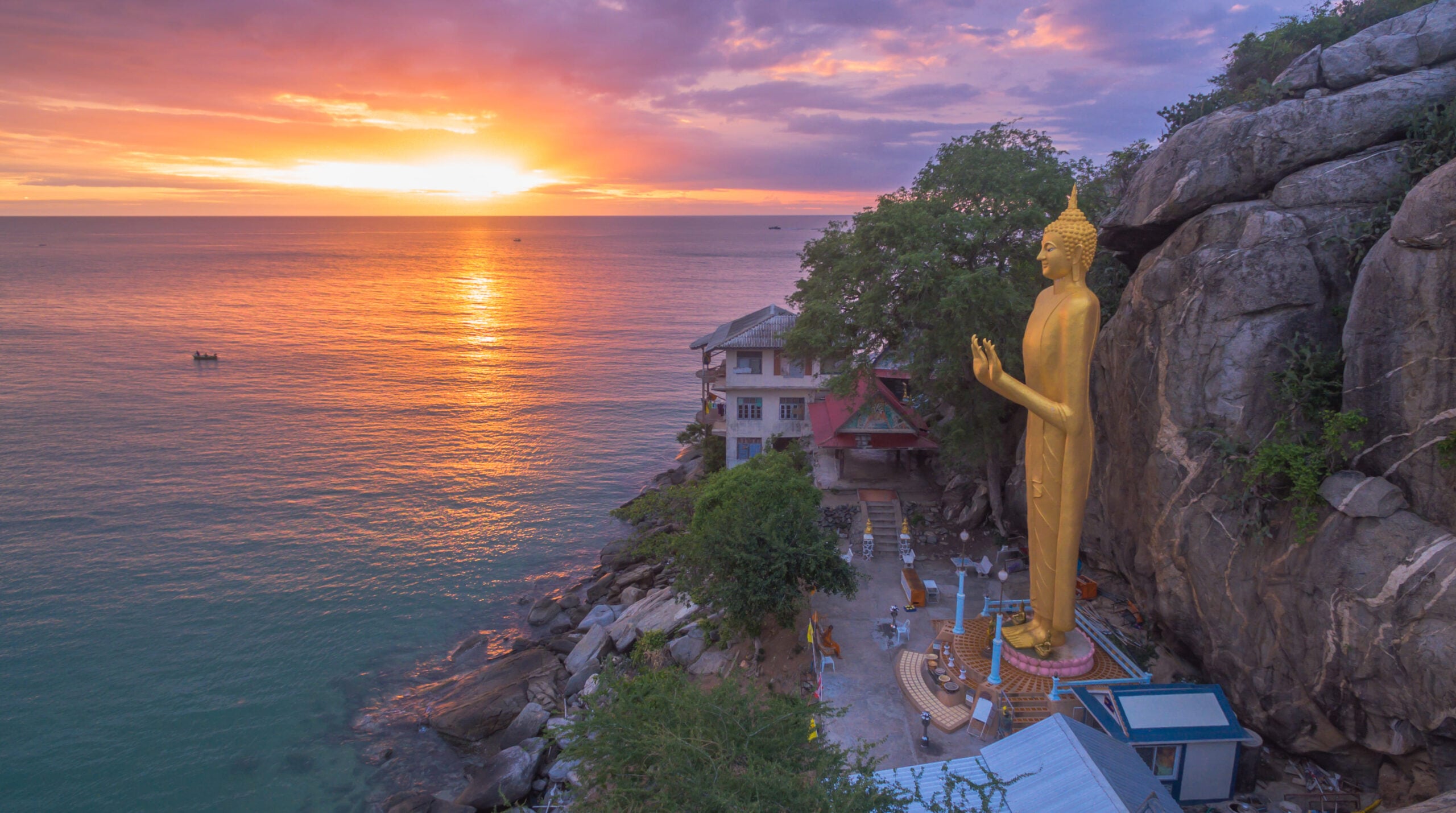
9. Shape an itinerary students will love
The best itineraries mix learning, culture and downtime. A typical Dragon Study Tours day starts with English lessons in the morning, followed by a supervised excursion in the afternoon.
Vary the pace. A big day out exploring temples or national parks works best when the next day is a little calmer, with time for journals, projects and a swim.
Need inspiration? Our guide to school trips to Thailand shows how a full programme fits together.
10. Prepare your students
A month before you fly, hold a pre-departure session. Cover the code of conduct, phone rules, packing and how to show respect at temples.
Teach a few Thai words, too. A smile and a “sawasdee” on the first morning go a very long way!
Your questions, answered
How much does it cost to plan a school trip to Thailand?
Costs depend on group size, trip length, flights and the activities you choose. A good provider will give you a clear, itemised quote, so you can see exactly what’s included before you commit.
How many teachers should come?
That depends on your school’s policy and the age of your students. Younger groups usually need more staff, and every trip should have at least two adults so one can stay with a student who needs help.
Is Hua Hin safe for students?
Hua Hin is a calm, family-friendly seaside town with several private international hospitals. It has been a favourite holiday spot for Thai families for over a century, which gives it a relaxed, welcoming feel.
Can students with special diets join?
Absolutely. Halal, vegetarian and allergy-aware meals are easy to arrange in Thailand when the kitchen knows in advance. Simply collect dietary information early and share it with your provider.
What if a student feels homesick?
It’s completely normal, especially in the first few days. A busy, friendly routine helps a lot, and staff are always on hand for a quiet chat or a call home.
Ready to plan a school trip to Thailand?
When you plan a school trip to Thailand, it can feel like a big project, but you don’t have to do it alone. Dragon Study Tours designs closed-group residential programmes in Hua Hin, handling accommodation, lessons, meals, excursions and transfers, so you can focus on your students.
Explore our residential English camp in Thailand, or request a quote for your dates. Your students’ adventure starts here.