

A mangrove reforestation project gives school groups a powerful way to learn English in Thailand through meaningful, real-world work. It shows students how environmental protection, education and culture come together.
Students discover how mangroves stop coastal erosion, protect wildlife and support local communities, learning first-hand what environmental responsibility means. Thailand’s long-term commitment to restoring its coastline can be seen in initiatives such as the PTTEP Mangrove Reforestation Project.
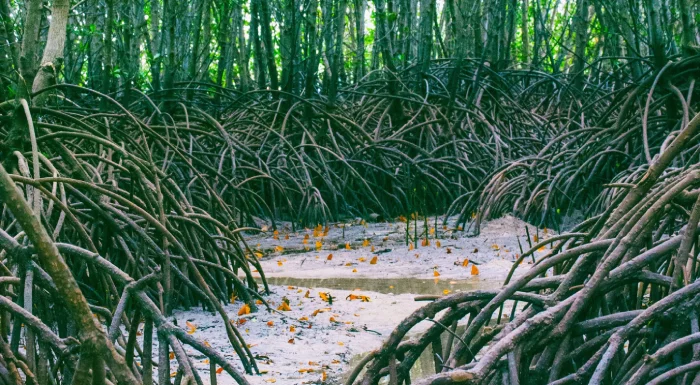
For closed groups on our residential English camp, the project links environmental themes with English learning in a natural setting. It fits alongside other excursions in 50 Things to Do in Hua Hin, and builds English through teamwork, discussion and reflective writing. Here are five learning outcomes.
1. Understanding How Ecosystems Recover
Through guided outdoor tasks, students see why mangroves matter for storm protection, stable soil and as nurseries for young fish and other wildlife.
Group leaders can extend classroom lessons on environmental vocabulary, the grammar of explanation and the language of cause and effect.
2. Speaking With Purpose
Teachers can frame the visit with pre-task and post-task speaking activities that fit our academic programme.
Talking about conservation builds clearer communication and a deeper appreciation of Thailand’s environment. Reports such as those from the Holcim Foundation show how mangrove restoration helps rebuild coastal resilience, giving students authentic content to discuss.
3. Hands-On Field Skills
Guided activities include planting saplings, observing signs of ecosystem health and recording changes in the environment.
These tasks lead to structured English outcomes: field notes, presentations of findings and accurate descriptions of processes.
4. Real Science and Real Data
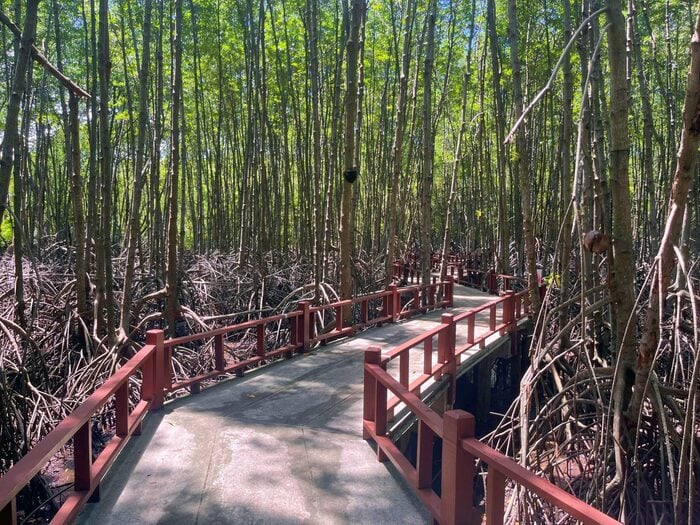
Students can also explore how Thailand measures and reports progress on cutting carbon, for example through the national registry of the Thailand Greenhouse Gas Management Organisation.
Back at The Palm Residence, where lessons and excursions run as one coordinated programme, students turn that data into reports and talks.
5. Teamwork and Confidence
The project fits perfectly into closed group trips where safety, education and supervision come first. Activities adapt to different ages, with clear instructions and guided reflection.
Students collaborate, communicate and solve practical problems in English, building confidence and teamwork along the way.
Plan Your Group’s Visit
Mangrove planting gives students hands-on environmental experience and stronger English in one meaningful activity. See our mangrove reforestation activity page and our Environment and Sustainability Programme for more.
For dates, itineraries and support, see our school trips to Thailand page, or request a quote.