

Academic Programme: Residential English Courses in Thailand
English courses for closed school groups, planned around your goals
English Courses Built Around Your Group
Our residential English course gives school groups a full programme of lessons, chosen and adapted for each group. Want speaking confidence, academic English or exam preparation? We shape the course around what you need.
No two groups follow exactly the same path, but every group gets a clear structure and measurable results. Leaders receive the complete programme before arrival, so they know exactly what will be taught.
With more than ten English courses in Thailand to choose from, you can plan the right mix of lessons for your students. Lessons take place in the learning centre at The Palm Residence, so students study and live in the same place.


How a Residential English Course Works With Us
Every residential English course we run rests on careful planning, qualified teachers and close contact with group leaders. Lessons follow the British Council quality standards we work to, and you see the full programme before you arrive.
Students take a level test before departure or on their first morning, so everyone starts in the right class.
Lessons are practical and link straight to afternoon and weekend activities from 50 Things to Do in Hua Hin. Teachers choose materials that build communication and confidence in real situations, so what students learn in class becomes English they use all day.
Lessons at the Dragon Learning Centre


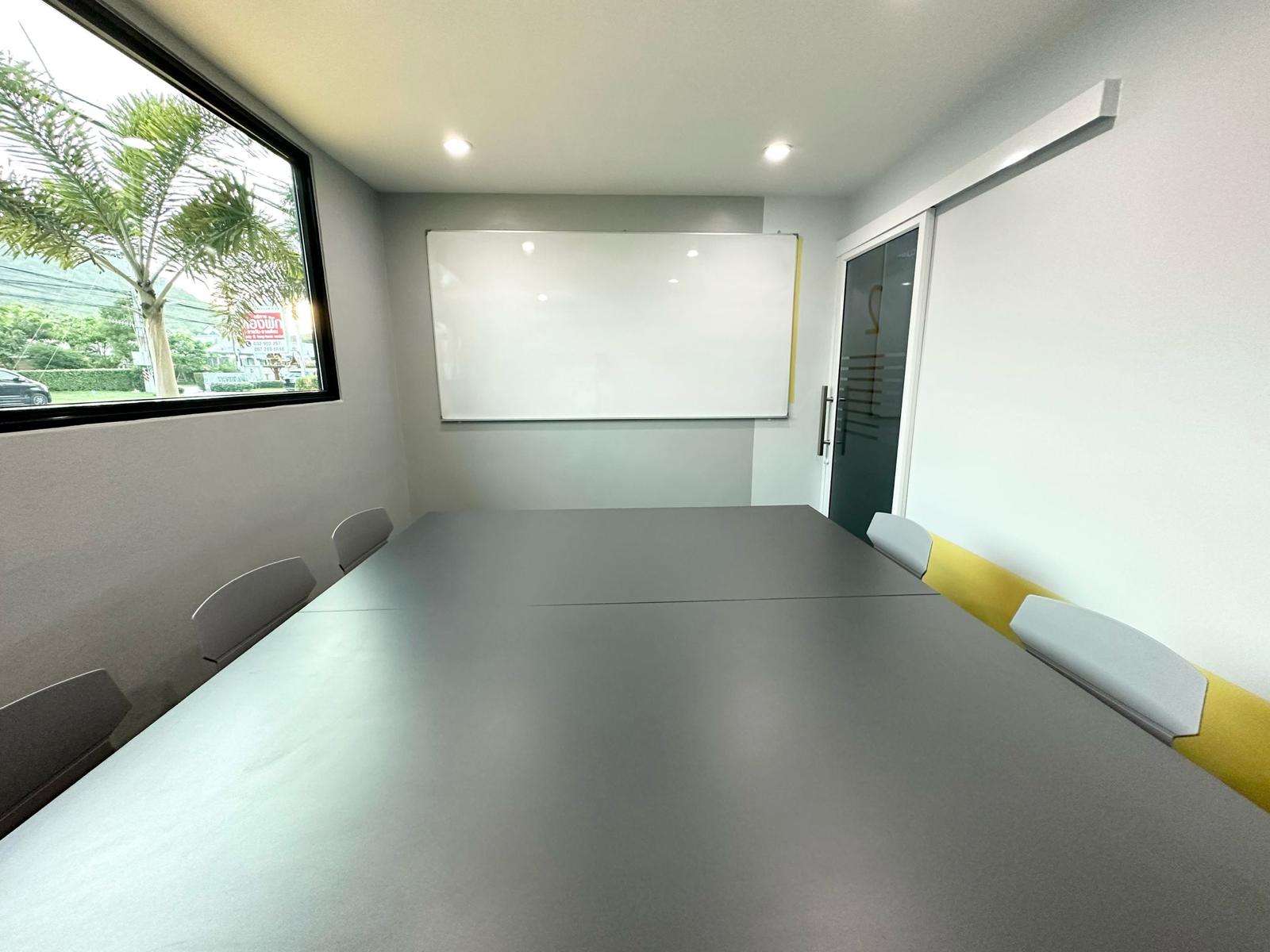

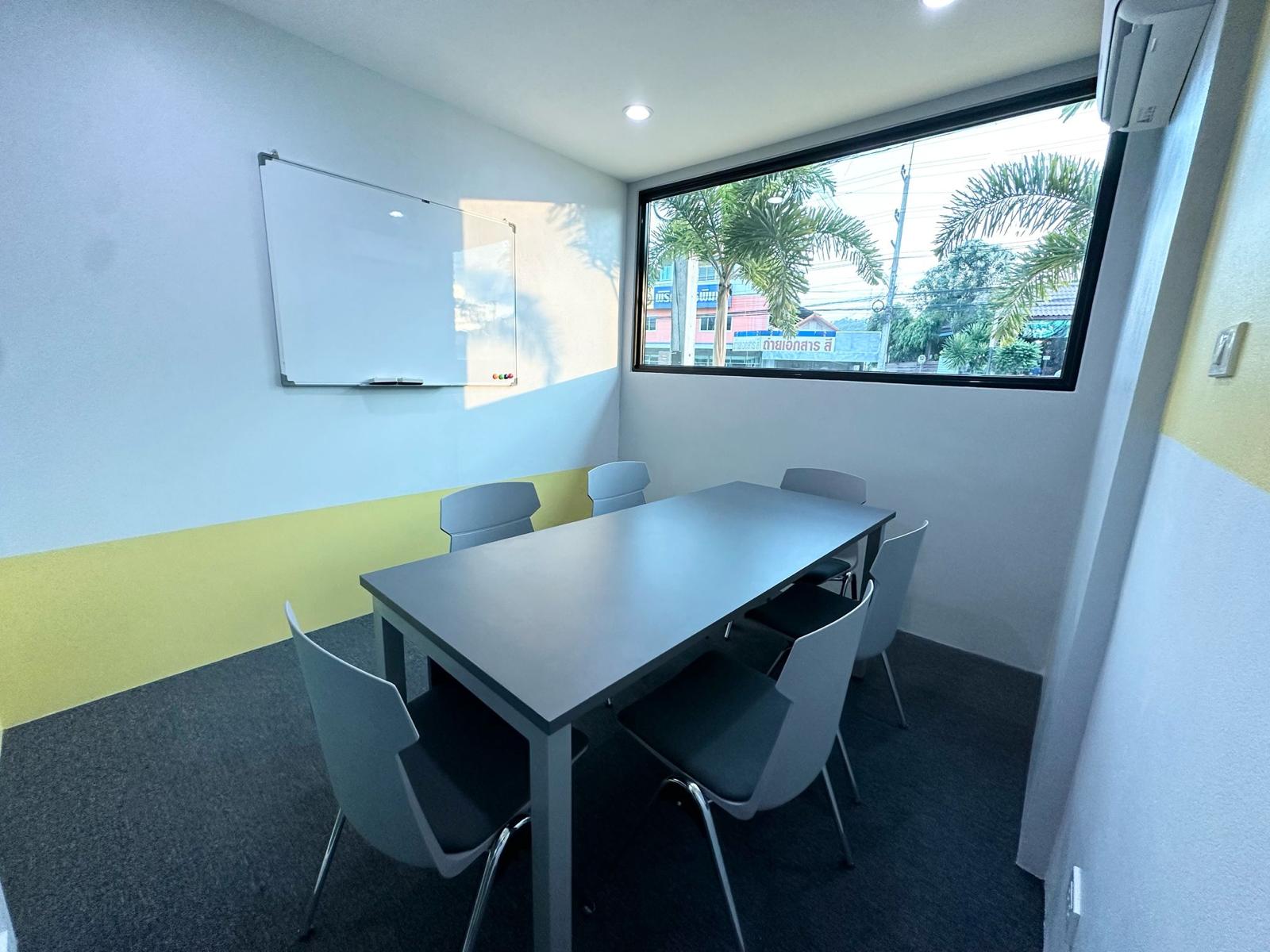


Our Approach to Teaching
Great teaching comes from strong leadership, ongoing training and a drive to keep improving. An experienced academic leader supports our teachers and makes sure every lesson is well structured, engaging and based on proven language-teaching methods.
Regular training, classroom observations and professional development keep our teachers sharp. In class, the aim is simple: a lively, interactive room where students feel encouraged to speak, think for themselves and grow in confidence.
Learning English by Doing
Every course in our Academic Programme makes English active, creative and fun. Students build fluency, confidence and teamwork in lessons designed to take English beyond the classroom.

Premier Skills English
Football-themed courses for ages 7 to 12 and 13 to 17 combine English with sport. Younger students build vocabulary, teamwork and fluency through games, while older students work on tactics and communication.

Trinity College London Courses
GESE, ISE, Communication Skills and Drama Stars help students sharpen their speaking, listening and performance. Practical lessons build fluency, creativity and confidence, with internationally recognised Trinity qualifications at the end.

English Speaking Board (ESB)
Founded in 1953, ESB pioneered the teaching of oracy, putting spoken communication at the heart of learning. Our courses use ESB‘s own oracy resources to build confidence, fluency and clarity.

Disney English
Disney characters and stories make lessons engaging and easy to remember. Students improve their vocabulary, pronunciation and storytelling through creative tasks, role-play and interactive activities.
Exam Preparation for Closed Groups
Exam preparation can be part of any residential English course. Courses focus on communication, skills and confidence, with internationally recognised qualifications from IELTS, Cambridge English and Trinity College London, matched to your group’s goals.
Groups can also sit their exams with us, so ask about test dates when you request a quote.

TOEIC Practice
This course builds English for the workplace through TOEIC exam tasks in listening, reading, speaking and writing. Students practise test strategies, grow their business vocabulary and gain confidence for study and work.
- Practise TOEIC-style listening, reading, speaking and writing tasks
- Build workplace vocabulary and business English
- Learn proven strategies for exam day
- Gain confidence for study and work

IELTS Preparation
A complete course covering reading, writing, listening and speaking. Students learn exam techniques and time management, and sit regular mock tests with feedback, so they walk in confident of reaching their target IELTS score.
- Cover all four papers: reading, writing, listening and speaking
- Regular mock exams with feedback
- Exam techniques and time management
- The confidence to do well in the IELTS exam

Cambridge Young Learners
- Movers: more fluency and confidence for learners moving up
- Flyers: preparation for the next step in proficiency
- Interactive, fun lessons for young learners
- A focus on vocabulary and hands-on activities

Pearson English (PTE)
Pearson PTE preparation builds confidence in speaking, listening, reading and writing. Students practise with real test tasks, get structured feedback and develop the fluency and exam skills to do well on the day.
- Build skills in all four parts of the test
- Practise with real Pearson-style tasks
- Gain fluency and confidence for test day
- Get structured feedback to raise your score

Pearson Business English
This course develops the English people use at work: writing emails, giving presentations and taking part in meetings. It prepares students for the Pearson Business English certificate and builds confidence in professional English.
- Business communication skills
- Writing emails, running meetings and giving presentations
- Preparation for the Pearson Business English certificate
- Ideal for students interested in business careers

General English Core Skills
Covers listening, speaking, reading and writing. Following the British Council framework, structured lessons improve fluency and accuracy and give students the core communication skills they need.
- Primary Plus (ages 7 to 12): a strong foundation in English
- Secondary Plus (ages 13 to 17): stronger academic English
- All-round language development
- Ideal for students who want a well-rounded English course

Disney-Inspired English Course
Teachers around the world have long used Disney stories and characters in English classrooms. On this course, students aged 7 to 12 learn English through them, mixing creativity with real learning.
Interactive activities and familiar characters make every lesson fun and memorable.

How we teach
- Interactive learning: role-play, group work, storytelling and songs keep lessons lively.
- Real-life practice: everyday situations and Disney themes help students use English in context.
- All four skills: every lesson builds listening, speaking, reading and writing through hands-on activities.
- Student-centred: teachers adapt lessons to each student's pace and needs.

Course details
- Ages: 7 to 12
- Levels: beginner to intermediate (A1 to A2 CEFR)
- Length: 1 to 4 weeks, or longer if your group needs it
- Classes: small groups of no more than 12 students, so everyone gets attention

What students achieve
- Better communication: students gain the confidence and fluency to use English every day.
- Stronger vocabulary and grammar: Disney content teaches new language in context.
- Sharper listening and speaking: practical practice helps students communicate with ease.
- A solid foundation: the skills students need for future English learning and school success.

Why schools choose Disney English
- Fun and memorable: familiar Disney characters and stories make learning stick.
- Real-world English: lessons prepare students to use English outside the classroom.
- Lively lessons: storytelling, singing and games make English exciting.
- Confidence through creativity: interactive tasks help students express themselves and speak naturally.
Book a Tailor-Made Academic Programme in 4 Steps

Choose your dates and group size
Tell us when you want to travel and how many students are coming, and we will send you a quote. We then match your dates to the right Academic Programme and accommodation.

Pick your course focus
Choose from Academic Programme options designed for different ages and goals. We send you the curriculum, so you can see exactly what will be taught.

Tailor the programme
Once you have seen the curriculum, we adapt the Academic Programme to your feedback. Lessons then fit your group’s needs, abilities and learning goals.

Level test and placement
Every student takes a level test linked to the Academic Programme, before arrival or on the first morning. It puts them in the right class, so they make the most progress.
Academic Support and Student Wellbeing
We pair academic guidance with personal care, so every student feels supported in and out of class. The focus is on progress, wellbeing and confidence from start to finish.

- On-site academic team: our experienced staff are always around to help with coursework, lesson questions or study worries, so every student stays confident and supported.

- Settling in: studying abroad can feel like a big step. Our team offers reassurance and guidance, so students feel at home and ready to learn.

- Confidence and enjoyment: students learn best when they are happy. Strong academic support and a positive atmosphere build both language skills and lasting confidence.
Why Learning On Site Works
Safe and simple
Classrooms on site mean no travel, so students stay secure and supervised. No commuting also means more study time, better focus and a structured setting where students make real progress.
More time to learn and enjoy
Without a daily commute, students can give lessons their full attention. The timetable stays balanced, with plenty of time to relax and make friends, all under supervision.
A group that stays together
With lessons, meals and planning under one roof, everything runs smoothly. Groups stay together at The Palm, which builds teamwork, good habits and a supportive atmosphere.
How We Plan Your Academic Programme
Every Academic Programme starts with a conversation about what your school wants students to achieve. Some groups want speaking confidence, some are preparing for an exam, and others want English to support a wider project on culture or the environment.
Once we know your aims, we plan lessons around your group’s age, level and timetable. Teachers get an outline before departure, so they can prepare students and link the programme to work back at school.
Getting the level right
Students learn best when lessons are pitched at the right level. If your school shares information about students’ English in advance, we use it to group learners so everyone is challenged without feeling lost.
In the first lessons, teachers watch closely and adjust activities when a student needs more support or more stretch. The whole class keeps moving forward together.
What a typical lesson looks like
Lessons are about using English, not just studying it. A session might start with a quick warm-up, move into a speaking or listening task linked to the day’s activities, and end with a review of new language.
Because students use English all day, lessons often draw on what they have just seen or are about to do. A morning class might prepare vocabulary for an afternoon visit, and the next day students describe what they learned.
Exam preparation
Some schools combine their trip with exam preparation. The Academic Programme can include focused practice for international English exams such as Trinity GESE, Cambridge English or IELTS speaking, alongside the wider activity programme.
Exam practice works best inside a balanced week. Students still enjoy excursions and cultural activities, which give them real experiences to talk and write about.
Measuring progress
Teachers and parents want to know what students have gained. We can share a short summary of the topics covered and skills practised, ready for reports or follow-up lessons.
Many schools also ask students to set a personal goal before the trip, such as speaking up more in class or learning vocabulary for a project. Looking back at those goals at the end shows students how far they have come.
Support for teachers before and after the trip
Our free school trip planning kit covers the practical side, from risk assessments to packing lists. For the learning side, we are happy to suggest pre-trip lessons and follow-up projects that link the Academic Programme to your curriculum.
To see how lessons fit with excursions and accommodation, read our guide to school trips to Thailand. When you are ready, request a free quote and tell us what you want your students to achieve.
Questions teachers ask us
Can lessons follow our own scheme of work?
Yes. Where possible, we adapt topics and vocabulary to support what students are already studying at school.
How many lessons are there?
That depends on the length of your stay and the balance you want between lessons and activities. We agree it with you when we plan.
Who teaches the lessons?
Experienced English teachers who are used to working with visiting school groups and younger learners.
Can students of different levels study together?
Yes. We group students where we can and adapt tasks, so stronger and less confident learners can both join in fully.
Is there homework?
Most groups prefer short reflection tasks, such as a trip journal, to formal homework. They keep students thinking in English without taking time away from the experience.
Got a question we have not covered? Ask when you request a quote, and we will explain how lessons can work for your group.

Our Mobile Phone Policy and Why It Helps
Our Academic Programme is designed to keep students focused and involved. A clear mobile phone policy, based on what leading schools do, supports learning, friendships and wellbeing.

- Better focus: phones are a big distraction in class. With less phone use, students concentrate on lessons and take a fuller part in learning.

- More real conversation: with phones put away during lessons, students talk to each other and build communication skills without screens getting in the way.

- Better wellbeing: less screen time helps students feel better and get more involved in physical activities and real-world experiences, for a healthy, balanced routine.