

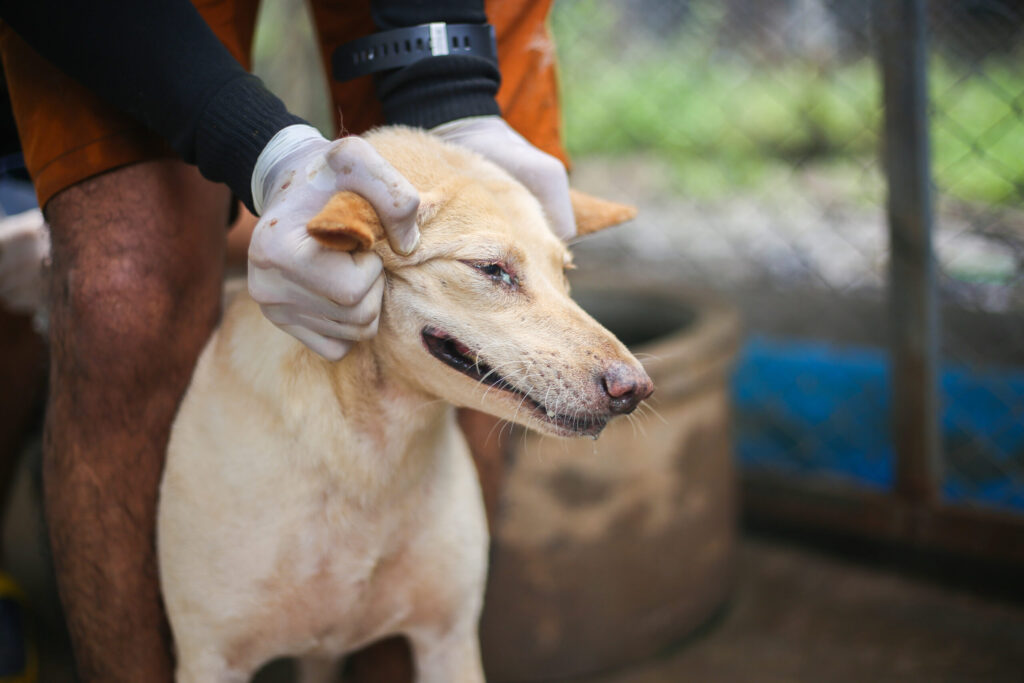
Wildlife hospital Thailand is not a phrase that most teenagers have encountered before the Dragon Study Tours Elephant Conservation Experience programme. At Wildlife Friends Foundation Thailand near Phetchaburi, closed groups aged 13 to 17 encounter Thailand’s first and most significant dedicated wildlife hospital — a fully equipped veterinary facility that treats rescued and injured wild animals from across the country. Running all year round, learning about the wildlife hospital Thailand at WFFT is one of the most eye-opening elements of the full day at Phetchaburi.
What the Wildlife Hospital Thailand at WFFT Is
The wildlife hospital Thailand at WFFT was the first of its kind in the country — a dedicated veterinary facility built specifically for wild animals rather than domestic ones. Wild animals require fundamentally different veterinary care from domestic animals, and before WFFT established the wildlife hospital Thailand, injured and confiscated wildlife often received inadequate care simply because no appropriate facility existed.
WFFT responds to reports from the public and government authorities of wildlife in need. The wildlife hospital Thailand receives animals from across the country — from road accidents, from confiscations of illegal wildlife trade operations, from rescues of animals kept as pets — and provides the emergency and ongoing veterinary care that gives them the best possible chance of recovery and eventual release.
What Participants Learn About the Wildlife Hospital Thailand
During the WFFT full day, Dragon Study Tours groups receive a guided education session that covers the wildlife hospital Thailand — its history, its capabilities, and the specific challenges of providing veterinary care to wild animals that are often severely traumatised by the time they arrive.
Stories like that of Team, a long-tailed macaque who was struck by a car near Phetchaburi, attacked by other macaques while injured, and brought to the wildlife hospital Thailand with extensive injuries — only to be successfully treated and released back to the wild one month later — demonstrate what the wildlife hospital Thailand makes possible. Without it, Team and hundreds of animals like him would have died.
The Wildlife Conservation Society Thailand has documented the critical role of veterinary capacity in wildlife conservation across Southeast Asia. The wildlife hospital Thailand at WFFT is one of the most significant contributions to that capacity in the country.
The Wildlife Hospital Thailand and the Rehabilitation Pipeline
The wildlife hospital Thailand at WFFT is not an end point — it is the beginning of the rehabilitation pipeline that ultimately determines whether a rescued animal can return to the wild. Animals that arrive at the wildlife hospital Thailand receive emergency stabilisation, ongoing treatment, and eventual transfer to appropriate sanctuary facilities at WFFT while their rehabilitation continues.
Participants on the WFFT full day observe this pipeline in action — learning about the criteria that determine whether an animal is a candidate for release, and observing the preparation of animals that are approaching the final stages of rehabilitation.
Safety at the Wildlife Hospital Thailand WFFT Session
All aspects of the WFFT full day, including the wildlife hospital Thailand education session, are managed within the full Dragon Study Tours safety framework. Transport is by private air-conditioned coach. The Palm Residence provides 24/7 supervision and safeguarding procedures aligned to British Council accreditation standards.
The programme runs all year round for closed groups. Visit our 50 things to do in Hua Hin guide, request a quote, make a booking, or read our FAQ.