

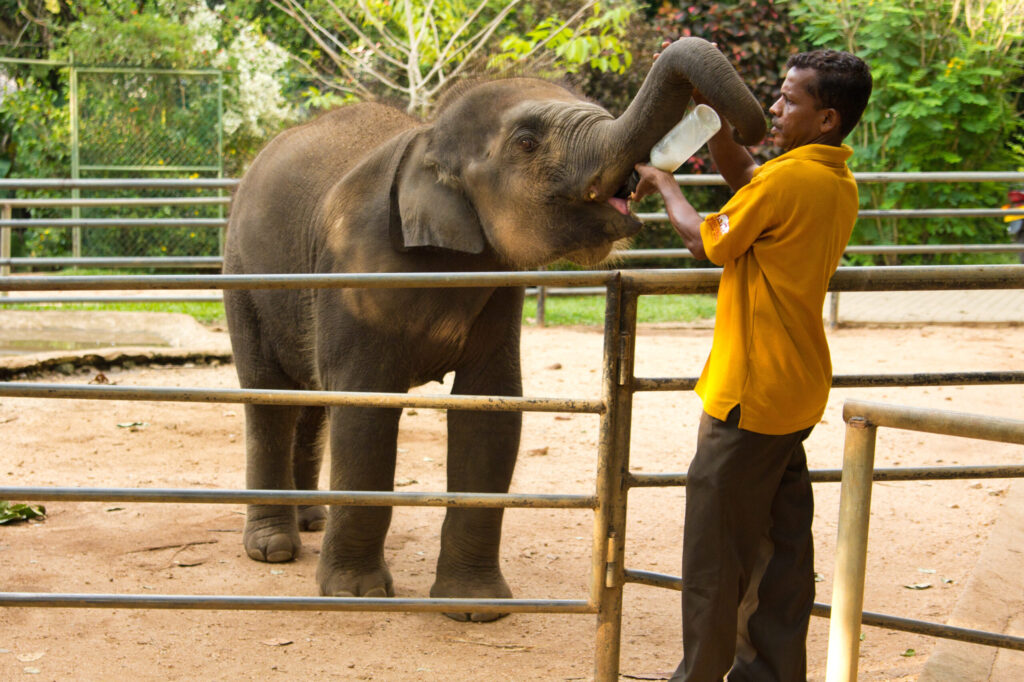
Elephant welfare Thailand is a subject of growing international importance — and one that Dragon Study Tours closed groups aged 13 to 17 engage with in genuine depth across seven morning sessions at the Hutsadin Elephant Foundation in Hua Hin. Running all year round, the programme gives groups a working understanding of elephant welfare Thailand that goes far beyond anything a textbook or documentary can provide.
What Elephant Welfare Thailand Actually Means
Elephant welfare Thailand is not simply about keeping animals alive. It is about providing the conditions — physical, social, and psychological — that allow elephants to express their natural behaviours, maintain their health, and live with dignity.
The Asian elephant is one of the most intelligent animals on earth. Elephants have complex emotional lives, strong social bonds, and a capacity for grief, joy, and long-term memory that researchers continue to document in extraordinary detail. Elephant welfare Thailand requires understanding all of this — and designing care routines that support it.
At the Hutsadin Elephant Foundation, the mahouts and care staff approach elephant welfare Thailand through a relationship-based model. Each elephant is assigned a specific mahout who is responsible for their daily care. The food preparation routines, the bathing schedules, the habitat maintenance activities — all of it is designed around the specific needs of individual animals.
The Physical Dimension of Elephant Welfare Thailand
The physical dimension of elephant welfare Thailand at Hutsadin involves managing the long-term consequences of years of exploitation. Many of the rescued elephants at Hutsadin arrived with physical injuries from overwork, inadequate nutrition, and inappropriate conditions. Foot problems are among the most common — elephants that have spent years on hard surfaces develop conditions that require ongoing veterinary care and careful management.
Participants working alongside the Hutsadin care team contribute directly to the physical elephant welfare Thailand programme — preparing the specific foods that each elephant’s dietary needs require, assisting with the bathing routines that support skin health, and learning about the veterinary care that the foundation provides.
The Psychological Dimension of Elephant Welfare Thailand
The psychological dimension of elephant welfare Thailand is perhaps the most complex — and the most affecting for participants. Elephants rescued from exploitative environments often arrive with significant psychological trauma. They may be fearful, withdrawn, or reactive in ways that reflect years of mistreatment.
The Elephant Conservation Network documents the importance of consistent, patient, relationship-based care in addressing psychological trauma in captive elephants. The mahouts at Hutsadin provide exactly that — and participants, working alongside them across seven sessions, begin to see the results of that patient work in the behaviour and demeanour of the individual animals they are caring for.
Safety in the Elephant Welfare Thailand Programme
All sessions in the elephant welfare Thailand programme at Hutsadin are supervised by Dragon Study Tours staff alongside the foundation’s own care team. Transport is by private air-conditioned coach. The Palm Residence provides 24/7 supervision and safeguarding procedures aligned to British Council accreditation standards.
The programme runs all year round for closed groups. Visit our 50 things to do in Hua Hin guide, request a quote, make a booking, or read our FAQ.