

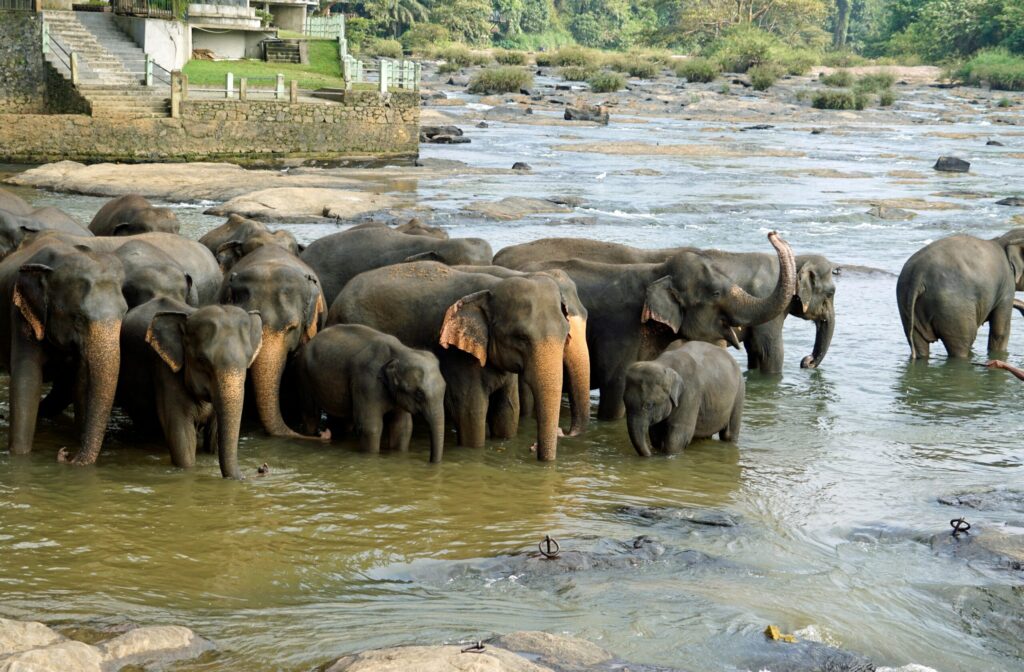
Elephant bathing Thailand is one of the most memorable and meaningful activities in the Dragon Study Tours Elephant Conservation Experience. Across seven morning sessions at the Hutsadin Elephant Foundation in Hua Hin, closed groups aged 13 to 17 work alongside the mahouts and care team to assist with the daily bathing routines that are central to the welfare of the rescued elephants in the foundation’s care. Running all year round, elephant bathing Thailand at Hutsadin is not entertainment — it is essential welfare work.
Why Elephant Bathing Thailand Matters for Welfare
Elephant bathing Thailand is not simply a pleasant activity for the animals. It is a fundamental part of elephant welfare that serves multiple essential functions. Elephants have very sensitive skin — despite its appearance, elephant skin requires regular moisturising and cooling to remain healthy. Bathing helps prevent skin cracking and parasite infestation. It provides essential cooling in Thailand’s hot climate. And it is one of the primary bonding activities between a mahout and their elephant — a daily ritual of trust and physical care that underpins the entire mahout-elephant relationship.
At the Hutsadin Elephant Foundation, the elephant bathing Thailand routines are designed around the specific needs of each individual animal. The mahouts know their elephants’ preferences — which ones enjoy being scrubbed vigorously, which prefer a gentler approach, which parts of their bodies are sensitive due to old injuries. Participants working alongside the mahout team learn these individual preferences across seven sessions and contribute meaningfully to the bathing routines that the elephants depend on.
What Elephant Bathing Thailand Looks Like in Practice
Elephant bathing Thailand at Hutsadin begins with the preparation of the bathing area and the gathering of the equipment — brushes, buckets, and water sources positioned appropriately for each animal. Participants then work alongside the mahouts to carry out the bathing routine under close supervision, using techniques that the care staff demonstrate and oversee throughout.
The Elephant Conservation Network emphasises that the quality of daily care routines — including bathing — is one of the most reliable indicators of overall elephant welfare in captive settings. Participants contribute to the elephant bathing Thailand programme in a way that is genuinely helpful to the foundation’s work — not a tourist activity, but a real welfare contribution.
What Participants Learn From Elephant Bathing Thailand
The elephant bathing Thailand sessions at Hutsadin teach participants about elephant anatomy, skin health, and the specific welfare challenges of captive elephants that have come from exploitative backgrounds. They learn that many of the rescued elephants at Hutsadin carry physical legacies of their previous lives — and that daily care routines like bathing are a critical part of managing those legacies.
By the seventh session, participants have developed a genuine relationship with specific animals through the elephant bathing Thailand routine — a relationship built on trust, consistency, and daily physical care that is one of the most profound experiences the programme offers.
Safety During Elephant Bathing Thailand
All elephant bathing Thailand sessions at Hutsadin are supervised by Dragon Study Tours staff alongside the foundation’s own mahout and care team. The Palm Residence provides 24/7 supervision, secure access, and a dedicated welfare team throughout. Safeguarding procedures are aligned to British Council accreditation standards.
The programme runs all year round for closed groups. Visit our 50 things to do in Hua Hin guide, request a quote, make a booking, or read our FAQ.