

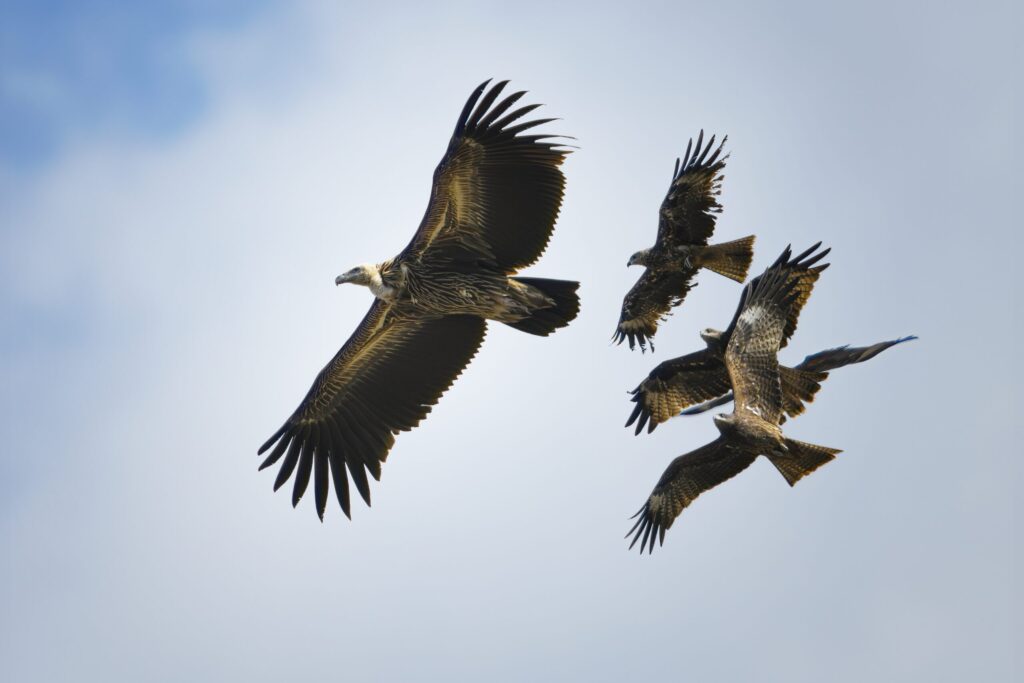
Birds of prey Thailand are among the most striking and most sobering encounters on the Dragon Study Tours Elephant Conservation Experience programme. At Wildlife Friends Foundation Thailand near Phetchaburi, closed groups aged 13 to 17 encounter rescued raptors — eagles, owls, hawks, and other birds of prey Thailand — that have been confiscated from the illegal wildlife trade or rescued from exploitation in the entertainment industry. Running all year round, this is conservation education at its most vivid.
The Birds of Prey Thailand at WFFT: Where They Come From
The birds of prey Thailand at WFFT have come from the same illegal wildlife trade that brings bears, primates, and reptiles to the foundation. Raptors are among the most commonly trafficked birds in Southeast Asia — sought for the exotic pet trade, for use in traditional medicine, and for the falconry-adjacent entertainment industry that operates at tourist venues across Thailand and the wider region.
Many of the birds of prey Thailand at WFFT arrived injured, malnourished, or so habituated to captivity that return to the wild is impossible. Eagles that should be soaring over the forests of Thailand’s national parks have spent years in small cages. Owls that should be hunting at night have been kept as daytime entertainment props. The stories of the birds of prey Thailand at WFFT are as individual and as affecting as any other animal at the foundation.
What Participants Do With the Birds of Prey Thailand
During the WFFT full day, participants assist with the feeding rounds that include the birds of prey Thailand — learning about the specific dietary requirements of different raptor species and the enrichment activities that help captive birds maintain their physical and psychological health. They receive a guided education session on the illegal bird trade, the specific challenges of rehabilitating birds of prey Thailand for potential release, and why some animals can return to the wild while others must remain in the sanctuary for life.
The Wildlife Conservation Society Thailand has documented the illegal bird trade as one of the most significant threats to Thailand’s avian biodiversity — with raptors particularly vulnerable due to their value on the exotic pet market. The birds of prey Thailand at WFFT give participants a direct window into that trade and the work being done to address it.
The Release Programme for Birds of Prey Thailand
Some birds of prey Thailand at WFFT are candidates for release. Those that arrive young, healthy, and without long-term habituation to captivity can be put through a rehabilitation programme designed to restore their natural hunting and survival behaviours. Participants on the WFFT full day have the opportunity to observe the release preparation process — learning what successful rehabilitation looks like and understanding the criteria that determine whether a bird of prey Thailand can return to the wild.
Safety at the Birds of Prey Thailand WFFT Session
All aspects of the WFFT full day, including the birds of prey Thailand sessions, are managed within the full Dragon Study Tours safety framework. WFFT follows a strict hands-off protocol. Transport is by private air-conditioned coach. The Palm Residence provides 24/7 supervision and safeguarding procedures aligned to British Council accreditation standards.
The programme runs all year round for closed groups. Visit our 50 things to do in Hua Hin guide, request a quote, make a booking, or read our FAQ.