

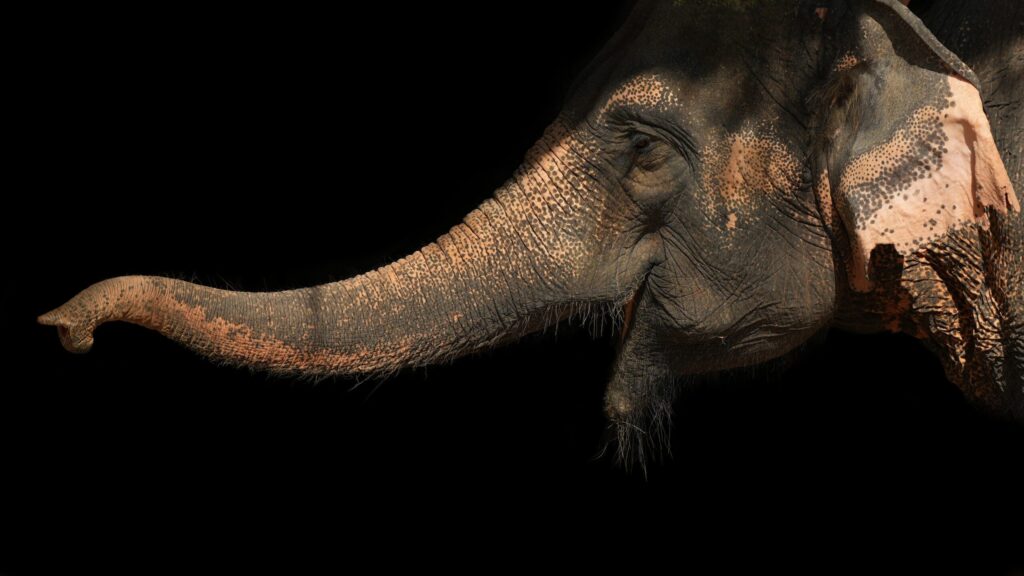
Asian Elephant Conservation: Why the Dragon Study Tours Programme Gives Teen Groups the Deepest Understanding of the Crisis Facing Thailand’s Most Iconic Animal
Asian elephant conservation is one of the most urgent wildlife challenges in Southeast Asia — and one of the most complex. The Dragon Study Tours Elephant Conservation Experience in Hua Hin gives closed groups aged 13 to 17 a genuine, sustained engagement with that complexity across seven morning sessions at the Hutsadin Elephant Foundation and a weekend excursion to Kui Buri National Park. Running all year round, this programme produces the deepest possible understanding of what Asian elephant conservation actually means.
The Asian Elephant Conservation Crisis
Asian elephant conservation matters because the Asian elephant is endangered. The World Wildlife Fund estimates that fewer than 50,000 Asian elephants remain in the wild across 13 range countries — and that number continues to decline. Habitat loss, human-elephant conflict, and the legacy of a centuries-long working elephant culture have left Thailand’s wild elephant population under severe pressure.
The captive elephant population — the animals that participants encounter at Hutsadin — carries the additional burden of a history of exploitation in logging, tourism, and street begging that has left many individuals with physical and psychological injuries that require lifelong care. The Elephant Conservation Network documents the scale and complexity of human-elephant conflict across Thailand — the frontline of Asian elephant conservation today.
At the Hutsadin Elephant Foundation, participants work alongside the mahouts and care staff who manage that care every day. The Asian elephant conservation education that results from seven sessions of direct, supervised work is deeper and more enduring than anything a documentary or classroom lesson can produce.
Asian Elephant Conservation in the Wild: Kui Buri
Asian elephant conservation in the wild is what participants encounter on the weekend excursion to Kui Buri National Park — one of the best places in Thailand to observe wild Asian elephants in their natural habitat.
The elephantconservation.org resource identifies wild population protection as the foundation of all long-term Asian elephant conservation efforts. The experience of watching wild elephants move freely through Kui Buri, after a week of working with rescued elephants at Hutsadin, brings the entire Asian elephant conservation picture into focus — sanctuary and wild, the challenge and the hope in a single programme.
Safety in the Asian Elephant Conservation Programme
The Asian elephant conservation programme at Dragon Study Tours is managed within a safety framework aligned to British Council accreditation standards. The Palm Residence provides 24/7 supervision, secure access, and a dedicated welfare team throughout. All transport is by private air-conditioned coach. All sessions at Hutsadin are supervised by Dragon Study Tours staff alongside the foundation’s own care team.
Parents and guardians have direct contact details for the Dragon Study Tours team throughout. Parental consent documentation is completed in full prior to arrival.
Why Asian Elephant Conservation Belongs in Every Teen Group’s Experience
Asian elephant conservation is not just a wildlife issue. It is a cultural, environmental, and ethical issue — and the Dragon Study Tours programme engages closed groups with all three dimensions. Participants leave with a genuine understanding of what Asian elephant conservation requires and why it matters — and with a certificate of participation from a programme aligned to British Council accreditation standards.
The programme runs all year round for closed groups. Visit our 50 things to do in Hua Hin guide, request a quote, make a booking, or read our FAQ.