

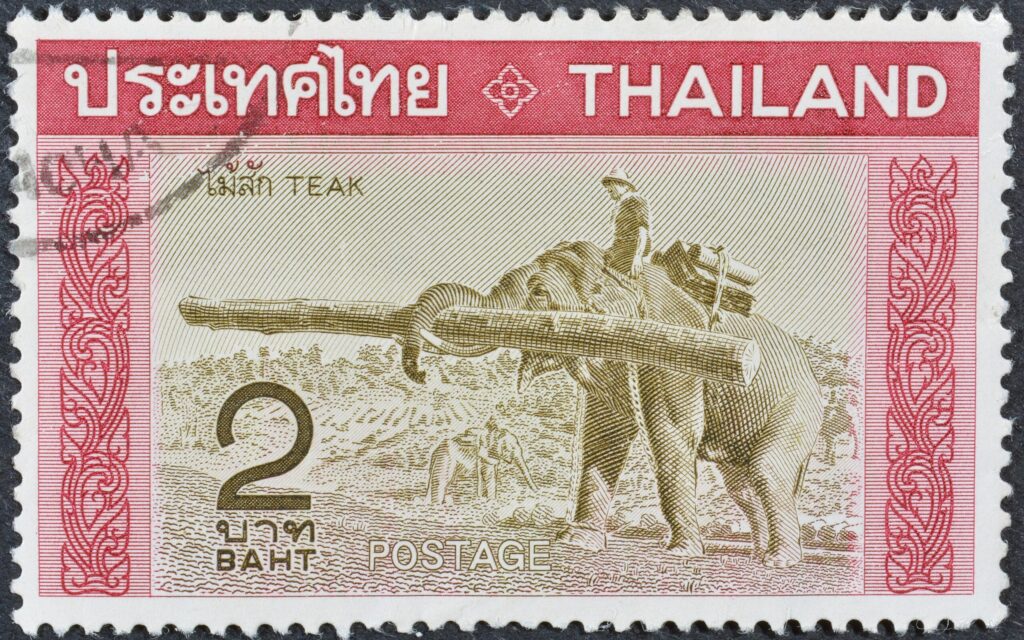
Thailand’s 1989 logging ban is one of the most important moments in the history of Asian elephant conservation, and a key topic for teenagers on our Elephant Conservation Experience.
Closed groups aged 13 to 17 learn why the ban happened, what it meant for the thousands of working elephants who suddenly had no work, and how that moment links to the rescued elephants at the Hutsadin Elephant Foundation today. The programme runs all year round.
What Was the Logging Ban?
Thailand banned commercial logging in January 1989, after devastating floods and landslides in the south were blamed on deforestation. The country had lost much of its forest to the logging industry, which had used working elephants for generations.
It was the right decision for Thailand’s forests. But for working elephants, the consequences were severe and largely unforeseen.
Almost overnight, thousands of working elephants and their mahouts lost their livelihoods, and an industry that had sustained the bond between mahout and elephant for generations came to an end.
What Happened to the Working Elephants?
In the years after the ban, mahouts faced an impossible choice. An elephant can eat up to 150 kilograms of food a day, but the income that paid for it had gone.
Some mahouts took their elephants into Bangkok and other cities to beg on the streets. Others turned to tourism, with elephants working in trekking camps, shows and photo attractions.
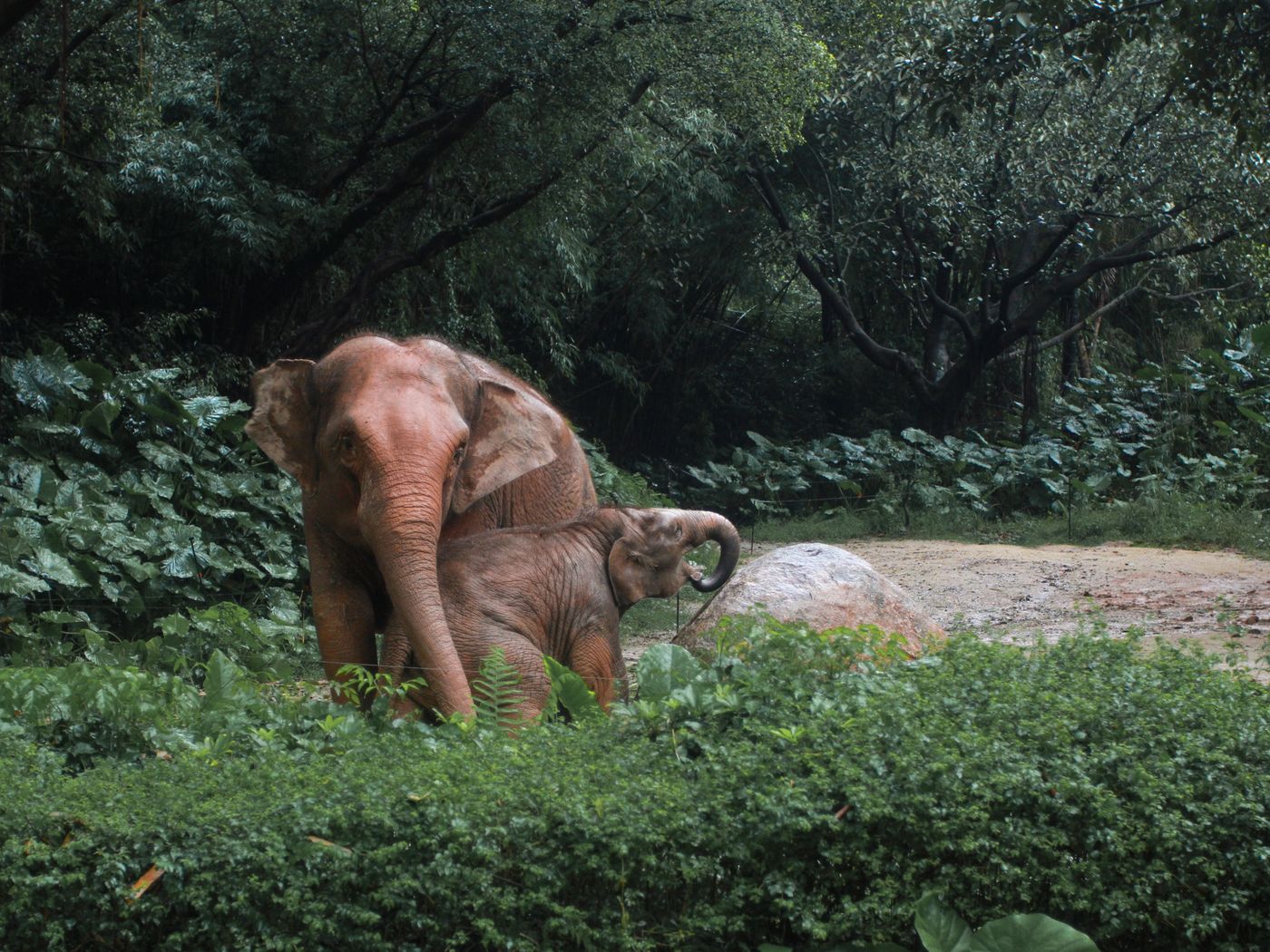
The Elephant Conservation Network describes this as one of the hardest periods for Thailand’s captive elephants. Many elephants now living in sanctuaries such as Hutsadin carry the legacy of that time, and their stories bring the history to life for students.
What Teenagers Learn From It
The logging ban is more than history. It is a lesson in unintended consequences, in the tangled link between human livelihoods and animal welfare, and in why policy needs to plan for what comes next.
Conservation groups such as the Save Elephant Foundation work on solutions that look after mahouts as well as elephants, because without fair alternatives to exploitation, old problems resurface in new forms.
Students leave understanding much more than elephants. They see how economic forces shape conservation, and why the best solutions tackle human needs and animal welfare together.
Using the Topic Back at School
The 1989 ban makes a strong case study for history, geography and citizenship. Students can research how it changed the lives of elephants and mahouts, and debate what responsible tourism should look like today.
Read more about human-elephant conflict in Thailand, a visit to the Hutsadin Elephant Foundation or our Elephant Conservation Experiences.
Safety on the Programme
Every part of the programme, from Hutsadin to the Kui Buri excursion, runs within our full safety framework. The Palm Residence provides 24/7 supervision and safeguarding aligned to British Council accreditation standards.
The programme runs all year round for closed groups. Explore our 50 things to do in Hua Hin guide, read our FAQ or our guide to school trips to Thailand, download the free school trip planning kit and request a quote.