

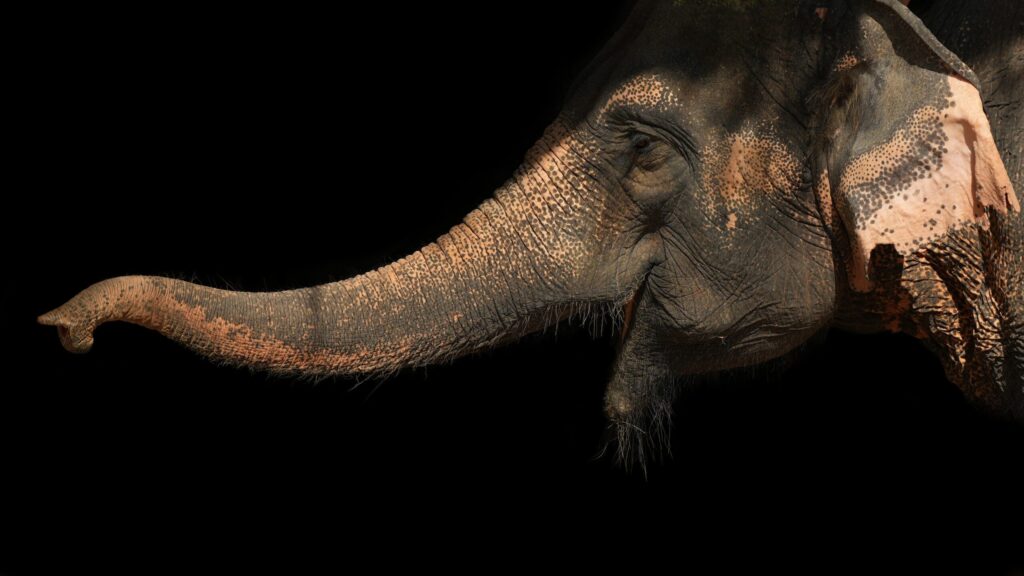
Asian elephant conservation is one of the most urgent, and most complex, wildlife challenges in Southeast Asia.
Our Elephant Conservation Experience in Hua Hin gives closed groups aged 13 to 17 a real, sustained look at that complexity, with seven morning sessions at the Hutsadin Elephant Foundation and a weekend trip to Kui Buri National Park. It runs all year round.
An Endangered Species
The Asian elephant is endangered. According to WWF, fewer than 50,000 remain in the wild across 13 countries, and numbers continue to fall.
Habitat loss, conflict with people and the legacy of centuries of working elephants have left Thailand’s wild herds under severe pressure.
Captive elephants, like those students meet at Hutsadin, carry an extra burden: a history of logging, tourism and street begging that has left many with physical and emotional scars needing lifelong care. The Elephant Conservation Network documents how widespread human-elephant conflict is across Thailand today.
Learning Alongside the Care Team
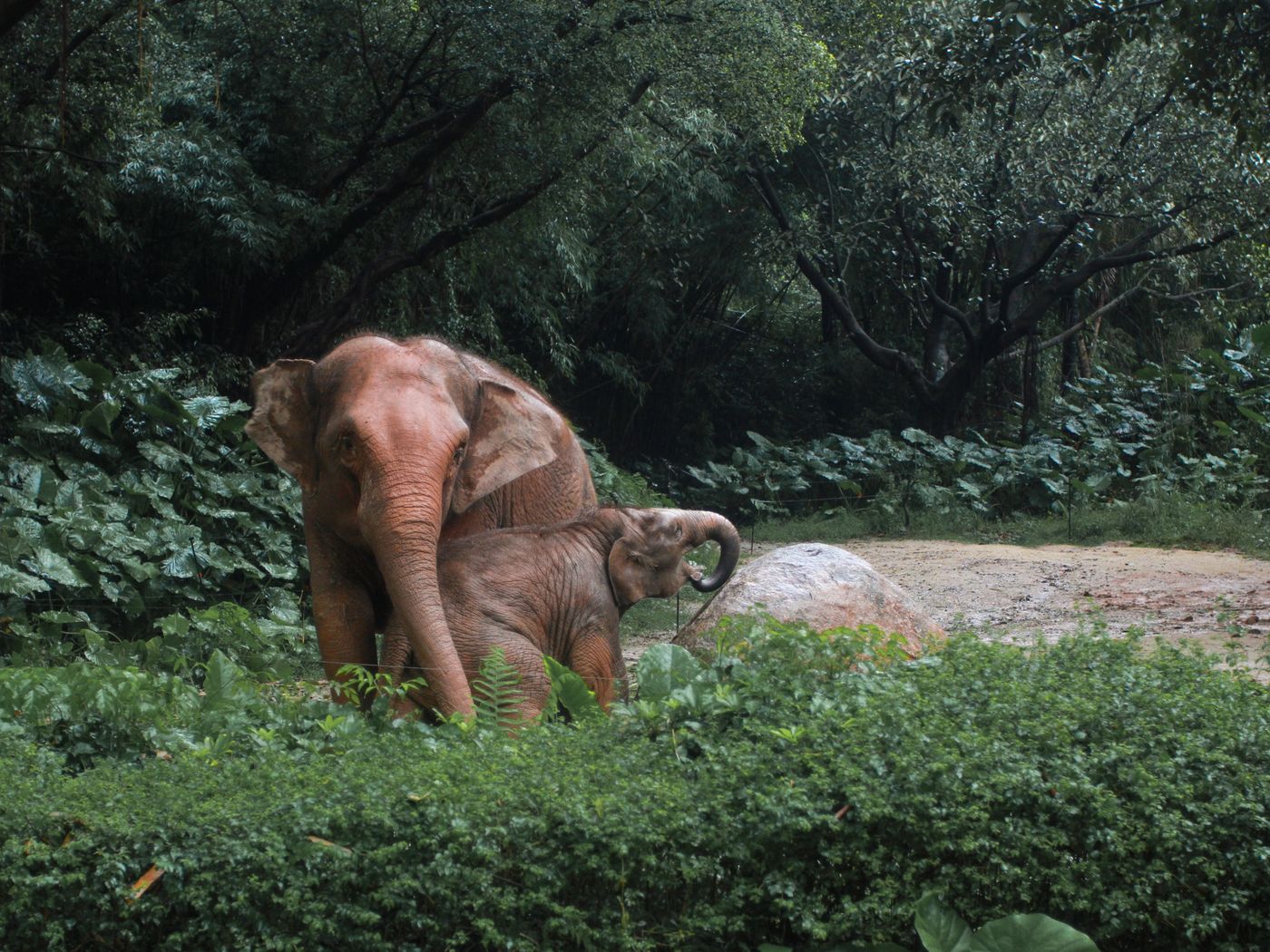
At Hutsadin, students see elephant conservation up close, working with the mahouts and care staff who look after the elephants every day.
Seven sessions of direct, supervised work build an understanding far deeper and longer lasting than any documentary or classroom lesson.
Wild Elephants at Kui Buri
On the weekend excursion, students see conservation in the wild at Kui Buri National Park, one of the best places in Thailand to watch wild Asian elephants in their natural habitat.
Protecting wild populations is the foundation of long-term conservation, as resources like elephantconservation.org explain. After a week with rescued elephants, watching wild herds roam free brings the whole picture into focus: the sanctuary and the wild, the challenge and the hope.
Why It Belongs on Every Teen Programme
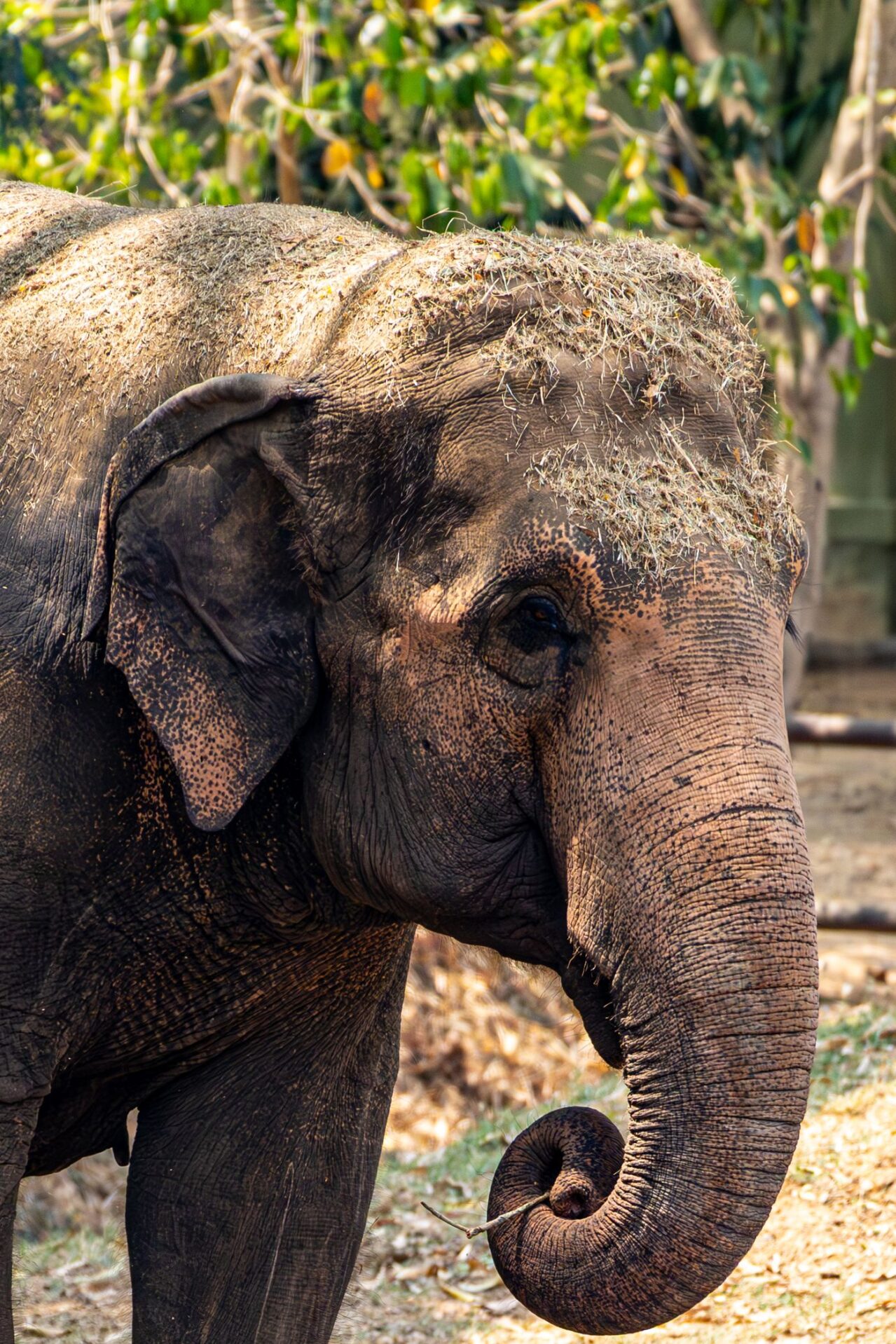
Elephant conservation is not only a wildlife issue. It is cultural, environmental and ethical, and the programme explores all three.
Students leave with a real understanding of what conservation takes and why it matters, plus a certificate of participation. Many come home wanting to support elephants long after the trip ends.
Safety on the Programme
The programme runs within a safety framework aligned to British Council accreditation standards. The Palm Residence provides 24/7 supervision, secure access and a dedicated welfare team, and all transport is by private air-conditioned coach.
Every session at Hutsadin is supervised by our staff alongside the foundation’s care team. Parents have direct contact details for our team throughout, and consent forms are completed before arrival.
Find Out More
Read about human-elephant conflict in Thailand, elephant feeding at Hutsadin or our full Elephant Conservation Experiences.
Explore 50 things to do in Hua Hin, our FAQ and our guide to school trips to Thailand, or download the free school trip planning kit and request a quote.