

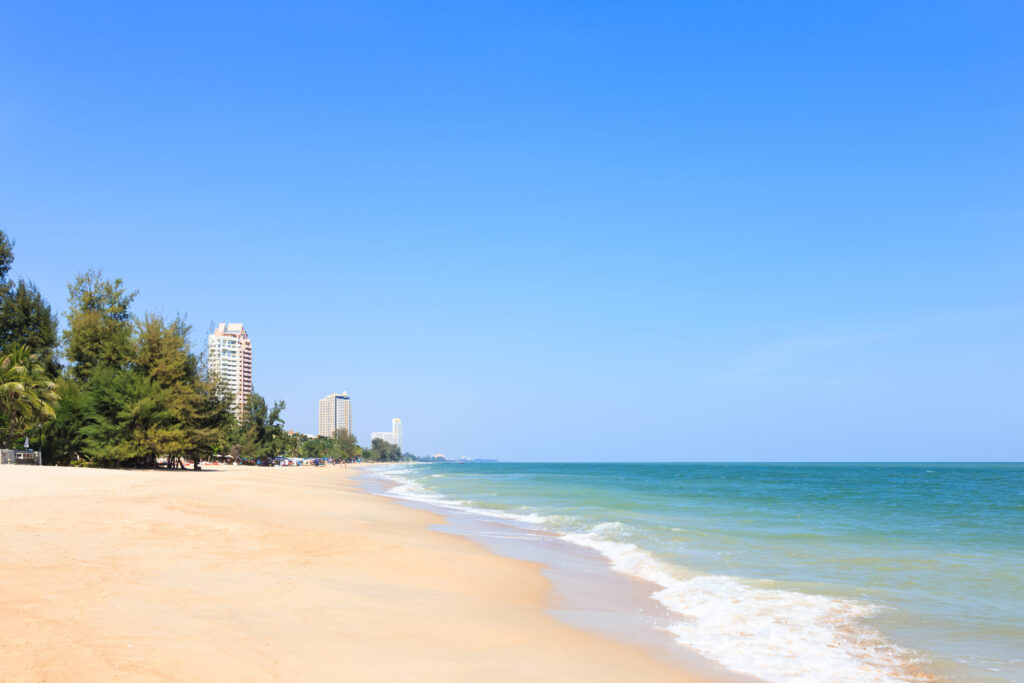
Living in Hua Hin is not something that happens to you — it is something you do. From the moment students step off the coach at The Palm Residence and feel the Gulf air for the first time, this town begins to work on them. It builds confidence. It builds vocabulary. It builds a version of themselves that is braver, more curious, and more capable than the one that arrived.
What Living in Hua Hin Means for Students on a Dragon Study Tours Programme
Dragon Study Tours has built its entire programme around one simple truth — real learning happens in real places. Living in Hua Hin means eating in restaurants where English is the only shared language. It means asking for directions on streets where nobody knows your name. It means navigating a morning market with a phrase book and coming back with breakfast.
These are not manufactured experiences. They are the ordinary texture of a town that has been welcoming the world for over a century.
Living in Hua Hin Safely: What Parents and Schools Need to Know
Safety is the foundation that makes everything else possible. Living Hua Hin as a student aged 7 to 17 means operating inside a safety framework that has been designed, tested, and refined across years of operating student programmes in Thailand.
The Palm Residence provides CCTV throughout, controlled access at all times, and a night security manager on site every evening. Dragon Study Tours staff provide twenty-four-hour welfare support. Every excursion is risk-assessed. Students are supervised and identifiable in their red Dragon polo shirts throughout every outing.
The Dragon Study Tours app keeps parents and group leaders connected with real-time schedule updates and emergency contact information at all times. Safeguarding procedures are aligned to British Council accreditation standards — the benchmark that schools and agents trust when placing groups abroad.
Hua Hin itself provides the wider safety net. Crime rates are among the lowest of any tourist destination in Thailand. The streets are walkable, well lit, and watched over by a community that has spent generations caring for its international visitors.
The Town That Makes Living in Hua Hin So Extraordinary
Hua Hin became Thailand’s first beach resort in the 1920s when the southern railway arrived from Bangkok and the royal family followed almost immediately. King Rama VII built Klai Kangwon Palace — “Far from Worries” — on the seafront, and the town that grew around it was shaped by the standards of royal patronage from the very beginning.
Those standards are still visible everywhere. The Centara Grand Beach Resort stands on the site of the original 1923 Railway Hotel. The golf course laid out around the same time is still operating today as the oldest in Thailand. The railway station built in the same decade is still receiving trains every morning.
For students living Hua Hin on a Dragon Study Tours programme, these are not tourist attractions. They are the backdrop to daily life — and the source of a hundred conversations in English.
Why Living in Hua Hin Produces Real English Fluency
Classroom English and real English are different things. Living in Hua Hin closes that gap in ways that no amount of textbook study can.
By the third day of a Dragon Study Tours programme, students who arrived hesitant are initiating conversations. By the final day, they are doing things in English that would have felt impossible a week earlier — describing architecture, explaining history, negotiating prices, and telling stories about what they have seen and done.
That transformation happens because living in Hua Hin puts English to work. Every day. In every direction.
Explore everything this town offers at our 50 things to do in Hua Hin guide. Request your group quote today or browse our FAQ.