

Hua Hin Activities for School Groups: build a programme that suits your group
Hua Hin is Thailand’s classic seaside town: safe, welcoming and packed with variety, which is why Hua Hin activities suit school groups so well. Just a few hours from Bangkok, it blends royal history, lively markets, and calm beaches with easy access to forests and national parks. That balance makes it ideal for a Residential English Camp. Students study in the morning, then step straight into real-world English each afternoon as they explore the destination through curated activities drawn from our guide to the 50 Things to Do in Hua Hin.
For a quick primer on the town’s character and highlights, see the Tourism Authority of Thailand’s overview of Hua Hin.

How the weekday schedule works
Each weekday, lessons run in the morning with practical, confidence-building English. From 1.00pm to 7.00pm, students take part in a supervised excursion, travelling by private coach with a local guide who is fluent in English. Every trip has clear learning goals, time for exploration, and space for students to practise communication in authentic settings. At the end of the activity, the group finishes together at a local restaurant, where students can debrief the day’s experiences and try Thai dishes in a relaxed, social environment. It’s a rhythm that keeps the programme structured while leaving room for discovery.
Beaches and waterfront
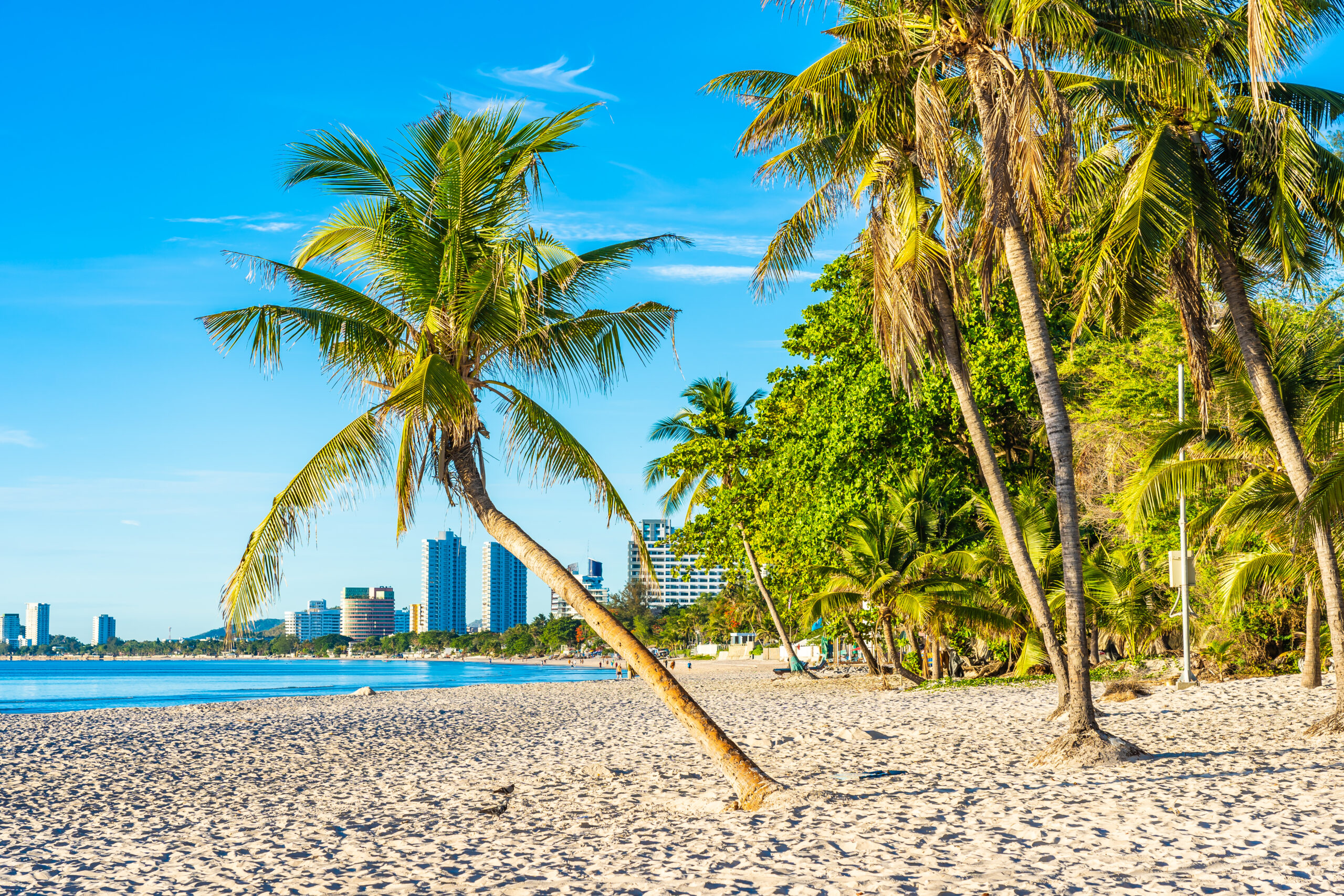
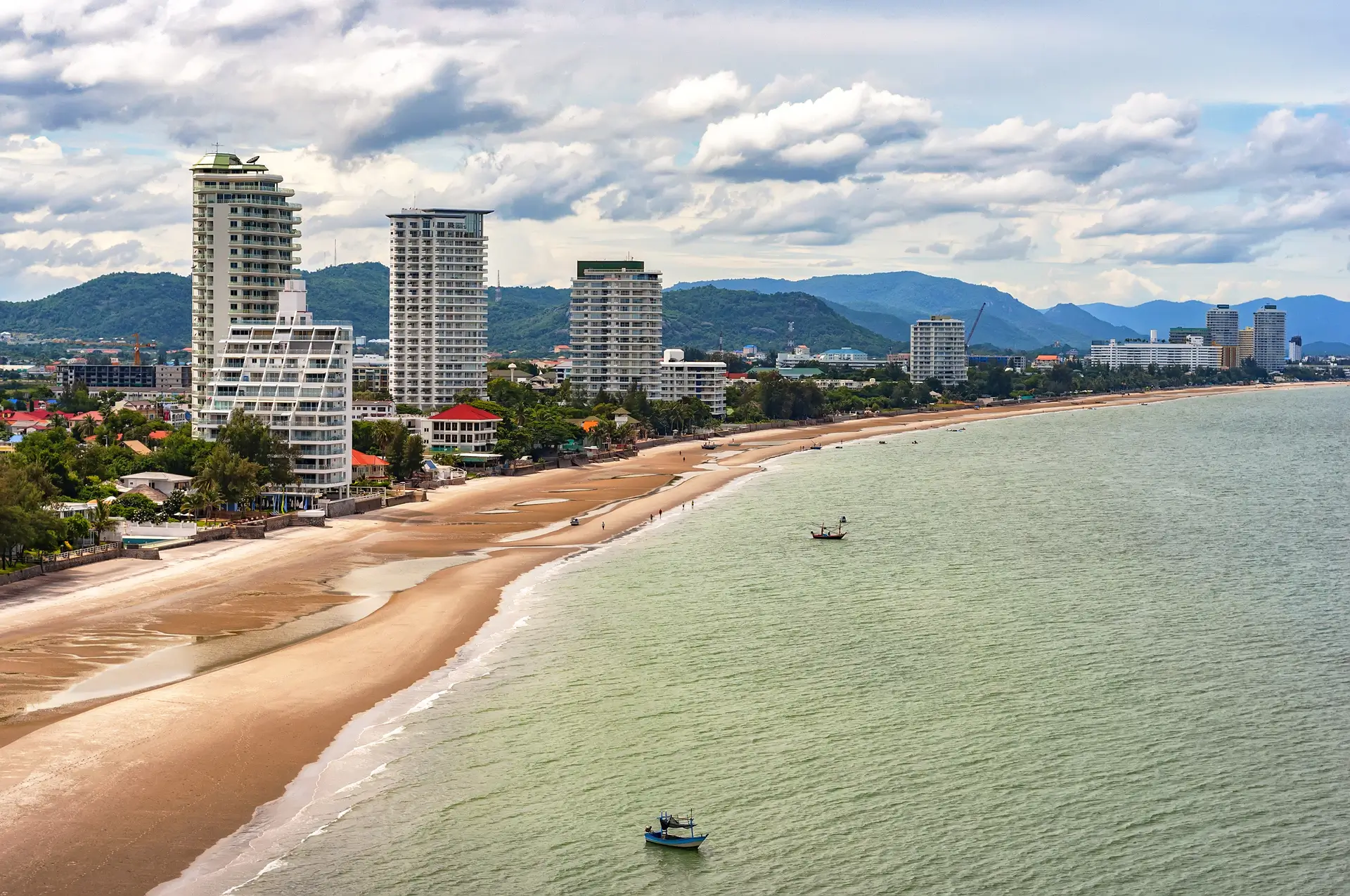
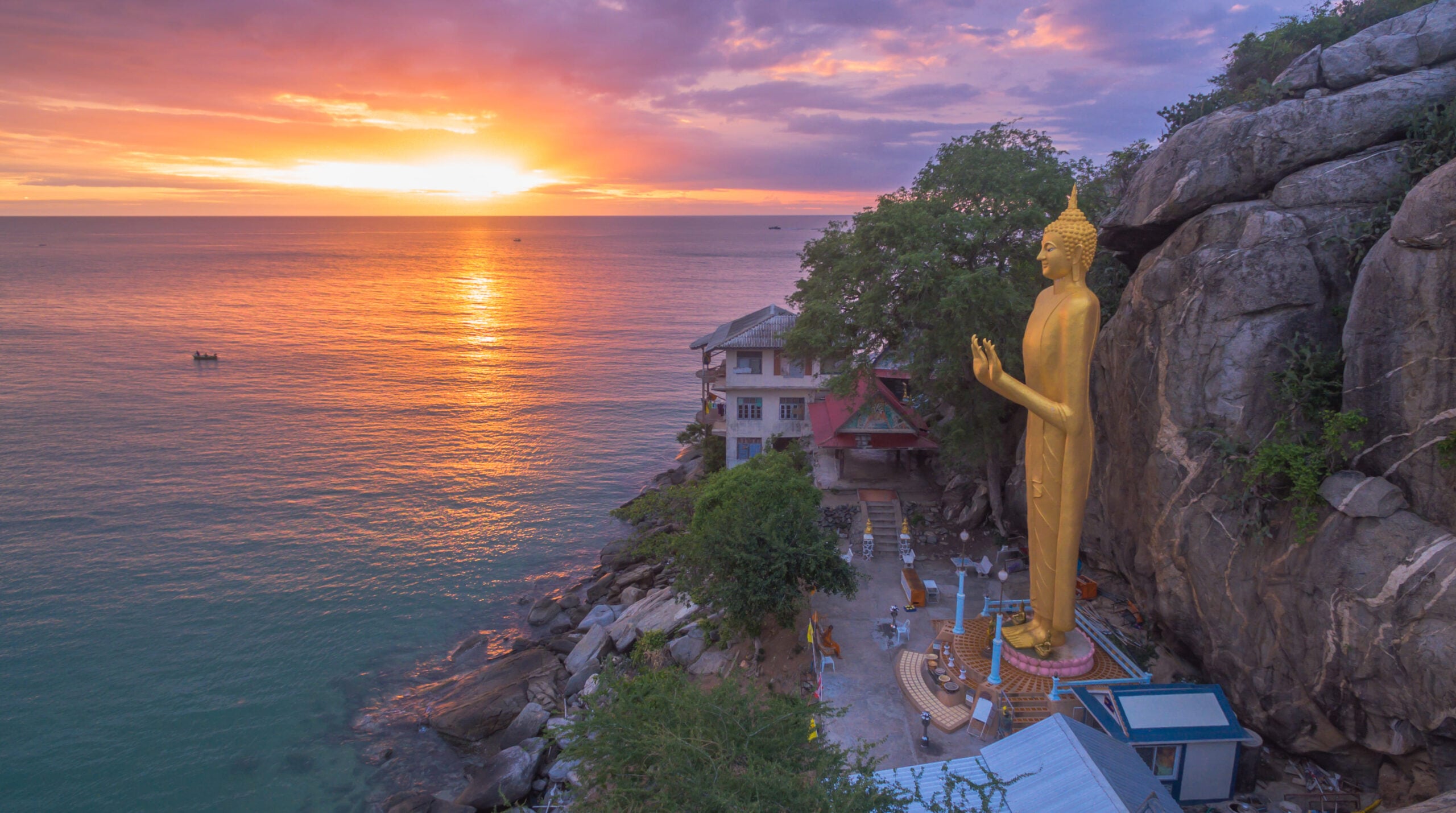
Hua Hin’s shoreline is the town’s heartbeat. On the main stretch of Hua Hin Beach, groups find wide sands, gentle seas, and space for safe, supervised games and walks. South of town, Khao Takiab combines a golden Buddha, hilltop views, and a fishing village atmosphere; it’s perfect for a late-afternoon climb followed by reflection tasks and photo prompts that encourage students to speak spontaneously in English. These coastal sessions are simple to run, easy to supervise, and endlessly photogenic, ideal for building confidence while enjoying Hua Hin’s sea air.
Culture and history in context
Hua Hin’s compact size makes cultural Hua Hin activities efficient and rewarding. A visit to the red-and-yellow Royal Waiting Room at the Hua Hin Railway Station turns architecture into a vocabulary lesson and a conversation starter about the town’s royal heritage. Evening market activities build fluency through real interactions; the classic Hua Hin Night Marketinvites students to practise polite requests, compare prices, and describe flavours, while weekend visits to the creative Cicada Market spark discussions about art, design, and performance. For an optional extension into royal history and monuments, planners can add Rajabhakti Park or Wat Huay Mongkol on longer days.
Nature, parks, and conservation
Hua Hin sits within easy reach of forests, caves and waterfalls, so nature-based Hua Hin activities slot easily into the weekly plan. The jungle paths to Pala-U Waterfall create a gentle challenge with clear safety boundaries, and they pair well with language tasks on habitats, species, and responsible tourism. For a bigger picture of Thai biodiversity, Kaeng Krachan National Parkoffers viewpoints, mangroves, and rich birdlife; guided walks become listening and note-taking practice, while ranger talks support question-forming and presentation skills. These days emphasise environmental awareness and link directly to the conservation strand in the 50 Things to Do in Hua Hin.
Markets and shopping, including Market Village
Market visits are student favourites because they combine culture, food, language, and teamwork. Night market tasks can include ingredient hunts, short vendor interviews, or budgeting challenges, all designed to encourage practical English in friendly settings. Weekend plans often include Cicada for arts and music, while traditional floating stalls at the Hua Hin Sam Phan Nam Floating Market reveal older trading customs and great photo opportunities for descriptive writing.
A dedicated shopping afternoon is built into our weekday schedule at Market Village. From 1.00pm to 7.00pm, students browse safely in a modern mall with clear supervision points, practice purchasing language, compare brands and prices, and choose souvenirs. The visit ends with a group dinner on site so staff can keep the cohort together. To help families research the venue, here’s the centre’s official site: Market Village Hua Hin.
Transport, guidance, and safety
Every weekday excursion runs on a private coach reserved for the group, so timings are reliable and routes can be adjusted for weather and traffic. The local guide is a Hua Hin specialist and fluent in English, which keeps briefings clear and cultural explanations engaging. On guided Hua Hin activities, guides also act as language models and conversation partners, prompting students to speak more naturally throughout the day. Staff carry contact details, meeting points are fixed in advance, and the final dinner each day provides a natural headcount and debrief before returning to accommodation. This structure keeps the Residential English Camp organised without feeling rigid.
A sample week of Hua Hin activities
For many groups, Hua Hin activities begin on Monday with beach orientation and language tasks at Hua Hin Beach, followed by a first-night dinner where students order confidently.
Tuesday could focus on culture at the Hua Hin Railway Station and the Hua Hin Night Market, practising question forms and polite requests. Wednesday heads south to Khao Takiab for panoramas and beach time, then seafood near the pier.
Thursday turns green with Pala-U Waterfall or Kaeng Krachan National Park, reinforcing environmental vocabulary. Friday completes the set with creativity at Cicada Market or heritage shopping at the Hua Hin Sam Phan Nam Floating Market. Market Village slots in as a weekday shopping afternoon, replacing or supplementing a market visit when weather or logistics suggest an indoor option.
Why Hua Hin works for your cohort
Hua Hin is compact enough to manage comfortably yet varied enough to keep each day of Hua Hin activities fresh. The town’s mix of shoreline, temples, markets, and nearby wilderness means no two itineraries look the same, and leaders can shape the balance between culture, nature, and leisure to suit learning goals. The steady pace, study in the morning, supervised exploration from 1.00pm to 7.00pm, dinner together, creates predictable scaffolding for students while leaving space for curiosity. With private transport, a fluent local guide, and activities mapped to the 50 Things to Do in Hua Hin, the Residential English Camp becomes a complete, confidence-building journey.
Travel and Arrival
The journey to camp sets the tone for the whole experience. From the moment the group lands, private coach transfers are arranged to remove the stress of moving a large number of students through an unfamiliar country. Leaders do not need to organise taxis or manage public transport; instead, a professional driver meets the group, checks numbers, and ensures that everyone is safely on board. Luggage is handled securely, and the coach heads directly to the accommodation without unnecessary delays. This creates reassurance for leaders and a calm introduction for students who may be travelling abroad for the first time.
Private Coach Service
Throughout the programme, a dedicated coach is reserved for every group. The coach provides a reliable and comfortable way to travel between Hua Hin activities, restaurants and cultural visits. Students travel together, making it easy to supervise, and leaders appreciate the consistency of always having the same vehicle and driver available. The coach remains with the group until the activity has finished, giving leaders the confidence that transport is never an issue. This arrangement allows the focus to remain on education and discovery rather than on logistics.
Guidance and Local Knowledge
Every group benefits from the presence of a local guide who speaks fluent English. The guide accompanies the students on each excursion, explaining the cultural background of the places visited and answering questions along the way. Their knowledge makes the programme more engaging, but their role extends beyond information. They ensure smooth entry at attractions, help manage timings, and act as a bridge between the group and the local community. This allows leaders to step back from the role of interpreter and focus on supporting their students.
Support for Leaders
One of the major advantages of the programme is the support offered to leaders. Instead of managing timetables, bookings, and transport, they can rely on everything being organised in advance. Clear schedules are provided each day, giving leaders the confidence to concentrate on their group’s wellbeing rather than administrative details. Restaurants are pre-booked, dietary needs are taken into account, and the presence of both the guide and camp staff ensures that leaders are never left alone to manage responsibility.
A Reliable Framework
This combination of private transport, professional guidance, and structured support creates a framework that allows leaders and students to get the most out of the camp. Travel is safe and straightforward, activities run on time, and leaders know there are always staff on hand to help with practicalities. The result is a learning journey where students can explore with confidence and leaders can enjoy the satisfaction of seeing their group thrive without the constant burden of planning every detail.
You can also see a full sample itinerary on our school trips to Thailand page.
Planning your tailored programme
Start by choosing two or three themes that match your group’s priorities, beach and outdoor confidence, cultural literacy, conservation and sustainability, or creative markets, and then pick attractions that fit your timeframe and energy levels. Shorter days combine a cultural site with an early dinner near the venue; longer days fold in a beach walk or a viewpoint. Market Village provides a weather-proof shopping afternoon built into the weekday schedule, with the same supervision standards as our outdoor days. Throughout, the emphasis is on authentic communication, safe exploration, and memorable experiences that reinforce classroom learning in real life.
To dig deeper into options as you plan, explore these official resources woven through this page: the destination overview for Hua Hin, coastal highlights at Hua Hin Beach and Khao Takiab, cultural centrepieces like the Hua Hin Railway Station, nature days at Pala-U Waterfall and Kaeng Krachan National Park, evening experiences at the Hua Hin Night Market and Cicada Market, heritage trading at the Hua Hin Sam Phan Nam Floating Market, and supervised shopping time at Market Village Hua Hin. Each link aligns with the five categories in the 50 Things to Do in Hua Hin, helping you assemble a programme that suits your students and meets your learning objectives while delivering the best of a Residential English Camp.
To begin planning your group’s customised itinerary, explore our full guide to the 50 Things to Do in Hua Hin and then Get a Quote to design your Residential English Camp programme.