

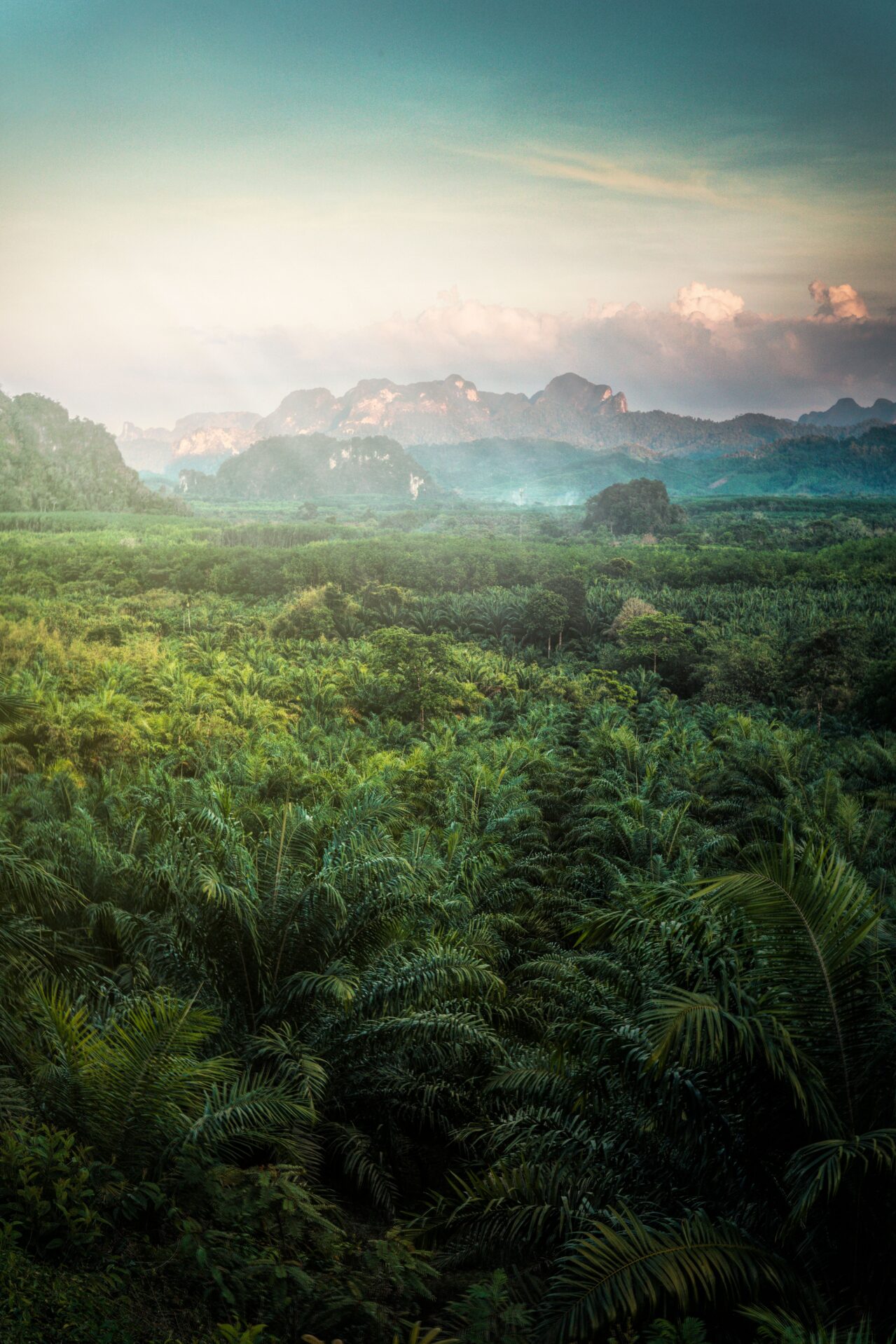
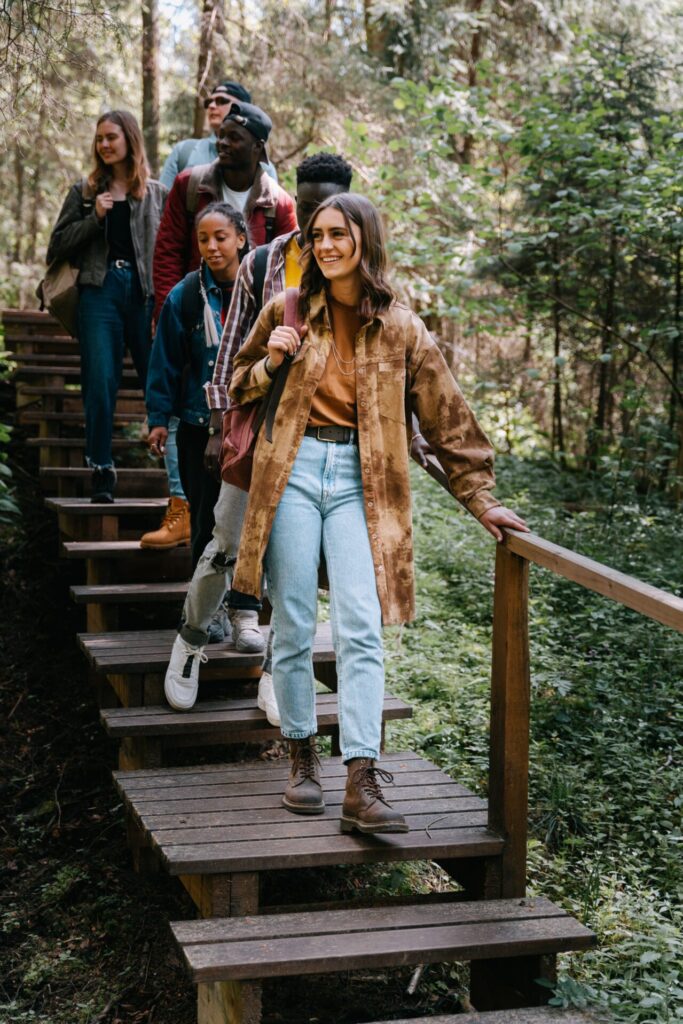

Deep in Kaeng Krachan, the village of Ban Tham Suea has won awards for looking after its own community forest. Your students stay close to the village and work with the families who protect the woodland. Few days on our programme are as hands-on as this one.
A Day in the Forest at Ban Tham Suea
Students join the Tree Bank project, measuring trees to work out how much carbon they hold. They fire seed bombs onto the hillside to help the forest regrow, then raft down the Phetchaburi River to check the health of the riverbanks. Later, villagers show them how to make organic fertiliser and sustainable charcoal the traditional way.
What Your Students Take Away
Carbon, forests and river ecosystems stop being textbook topics and become something students can touch. They see how a community can earn a living from a forest without cutting it down. Back at the residence, they turn their data into a short presentation in English.
Before You Go
Kaeng Krachan is a full day trip from Hua Hin, with an early start and an evening return. Pack clothes that can get wet and muddy, plus plenty of sun protection. Add this day to your Environment and Sustainability Programme.
In Kui Buri, wild elephants that wander out of the national park can wipe out a family’s harvest in one night. Bring The Elephant Home works with the Tom Yum Project community to find a way for farmers and elephants to live side by side. Your students become part of the answer.
Planting, Building and Protecting
Students plant crops elephants prefer to avoid, such as chilli, lemongrass and galangal. They help build and repair beehive fences, a natural barrier that keeps elephants out without hurting them. It is real, physical work, done shoulder to shoulder with local farmers.
Seeing Both Sides of the Story
Students look at human-wildlife conflict through the eyes of the farmer and the elephant. The day feeds straight into biology, geography and citizenship topics such as habitats, livelihoods and conservation. They discover that the best conservation work also helps local people make a living.
Before You Go
Kui Buri lies south of Hua Hin and the visit fills most of the day. Long trousers, closed shoes and insect repellent are a must. Combine it with our Elephant Conservation Experiences or the Environment and Sustainability Programme.
Hat Wanakon National Park guards a long, peaceful stretch of coast in Prachuap Khiri Khan. Its beach forest and shoreline make a perfect outdoor classroom for coastal science. Students roll up their sleeves for real conservation work, not a sightseeing stop.
Beach Survey and Reforestation
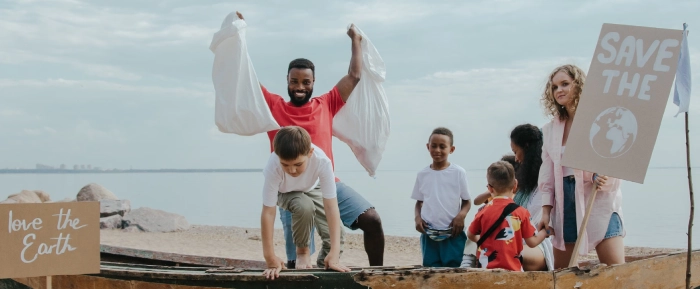
Students run a structured beach clean and marine debris survey, sorting what they find by material and where it probably came from. Then they help replant the beach forest with native sea pine and salt-tolerant plants. These trees slow coastal erosion and bring back nesting habitat for shorebirds.
What Your Students Take Away
The survey shows students how to collect and analyse data, then talk through where ocean plastic really comes from. Planting connects to geography lessons on erosion and coastal management. To finish, students share their findings and suggest what should happen next.
Before You Go
Hats, sun cream and refillable water bottles are essential on the beach. We provide gloves and all clean-up equipment. This day is part of our Environment and Sustainability Programme.
Protecting wildlife does not stop at a national park’s edge, and this day shows students why. The land around Kui Buri National Park is where elephants, farmers and villages meet. Look after this buffer zone well and both people and animals stay safe.
Fences, Salt Licks and Rangers
Students check and repair beehive fences in the buffer zones around the park. They help build artificial salt licks inside the park, giving wild animals the minerals they need. Rangers and local guides explain every task and how it fits the bigger plan.
What Your Students Take Away
Students learn that managing the land outside a park matters as much as protecting what is inside it. The day supports geography and biology topics including habitats, land use and wildlife corridors. There are plenty of chances to ask questions in English and report back to the group.
Before You Go
Expect a full day outside, with walking on uneven ground. Long sleeves, closed shoes and insect repellent are recommended. Add this day to your Environment and Sustainability Programme.
Nongtatam is a rural sub-district that now makes 100% of its own electricity from a community solar grid. That success has earned it a UN nomination as a model for renewable energy self-sufficiency. Students see clean energy powering a whole village, not just a diagram in a book.
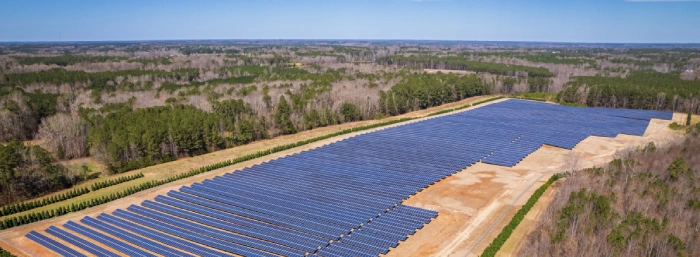
Building Circuits and Auditing Energy
Students assemble small solar circuits and test how much power they can generate. They carry out a community energy audit, looking at how homes and buildings use electricity. Residents explain how they planned the grid and how they keep it running.
What Your Students Take Away
The visit connects to physics, design and technology and geography lessons on energy and sustainability. Students compare the village system with the energy their own homes and schools use. They finish by suggesting simple changes their school could make.
Before You Go
The workshop is practical and works well for mixed ages and abilities. We supply all equipment, and staff supervise every piece of electrical work. This day is part of our Environment and Sustainability Programme.
Chang Hua Mun Royal Project is a working farm in Phetchaburi province that doubles as a showcase for renewable energy. It was founded under a royal initiative to prove that farming and clean power can go hand in hand. Your students spend the day learning by doing.
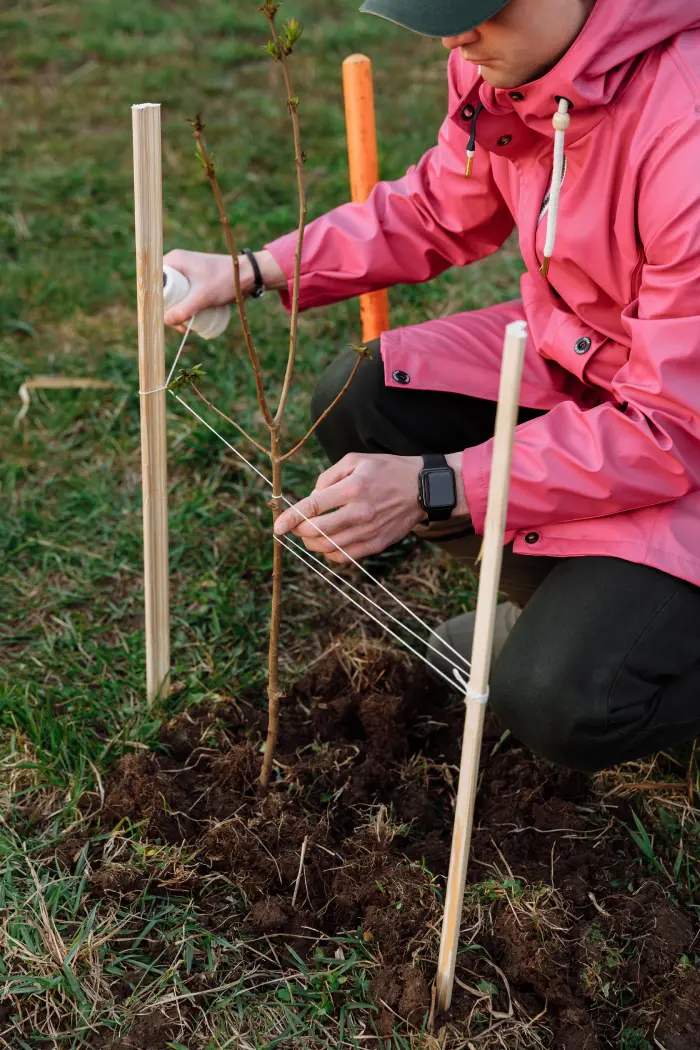
A Day on a Royal Project Farm
Students harvest organic produce and plant seasonal seedlings. They help turn livestock waste into bio-fertiliser. Then they audit the solar panels and wind turbines that power the site.
What Your Students Take Away
Biology, geography and physics all come together in one practical setting. Students see how waste from one part of the farm becomes a resource for another. They also learn how Thailand’s royal projects have shaped life in the countryside.
Before You Go
Bring hats, sun cream and clothes suitable for farm work. The farm is a short drive from Hua Hin. This day is part of our Environment and Sustainability Programme.
Huai Sai Royal Development Study Centre, near Cha-am, started life as a royal project to bring worn-out land back to life. Once stripped of its forest, the area now has trees, water and wildlife again. Students get to play a part in that recovery.
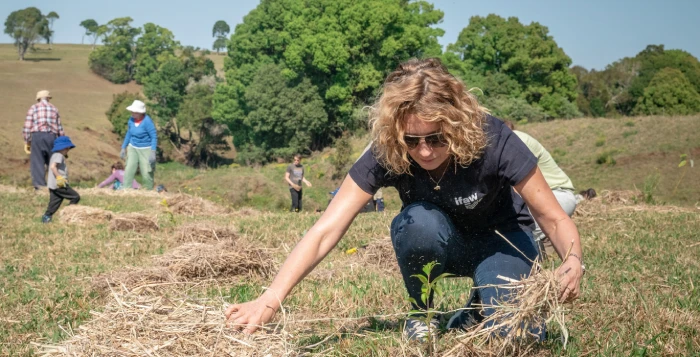
Restoring Land and Rare Deer
Students build check-dams on damaged forest land, small barriers that hold moisture and stop soil washing away. They help care for hog deer that are being bred for release into the wild. Centre staff explain the science behind each job.
What Your Students Take Away
Students see how simple, low-cost methods can repair a damaged landscape over time. The visit supports geography and biology topics including soil erosion, water conservation and endangered species. It is a powerful lesson in long-term environmental planning.
Before You Go
Huai Sai is close to Hua Hin, so it slots easily into a programme day. Closed shoes and clothes that can get dirty are recommended. This day is part of our Environment and Sustainability Programme.
Trash Hero Hua Hin is the local branch of a volunteer movement that runs regular clean-ups along Thailand’s coast. Students join the team on the beach and see the scale of plastic waste with their own eyes. A familiar problem becomes a real investigation.
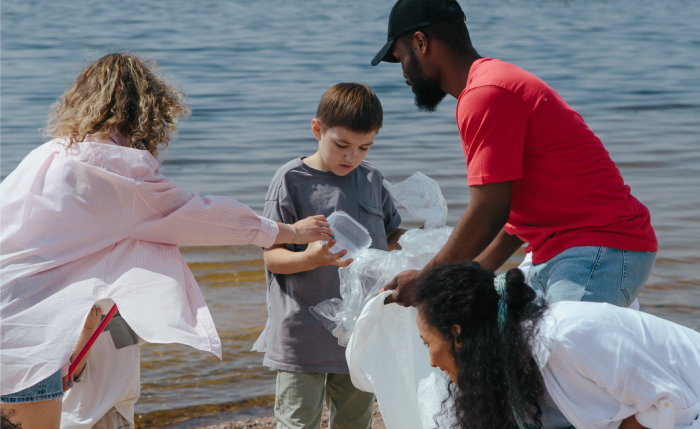
Auditing the Beach
Students carry out a structured waste audit along the shore. They sort plastics by type and by brand to trace where the rubbish comes from. Afterwards they join sorting and upcycling workshops that are part of Hua Hin’s zero waste campaign.
What Your Students Take Away
The audit teaches students to collect, sort and make sense of real data. It supports science and geography topics including plastics, pollution and the circular economy. Students then debate what businesses, governments and individuals could do differently.
Before You Go
We provide gloves and collection bags. Hats, sun cream and water bottles are essential. This day is part of our Environment and Sustainability Programme.
Koh Talu is home to one of the most advanced marine conservation projects in the Gulf of Thailand. The island’s team rebuilds damaged reefs and protects the species that live on them. Students work alongside marine biologists for the day.
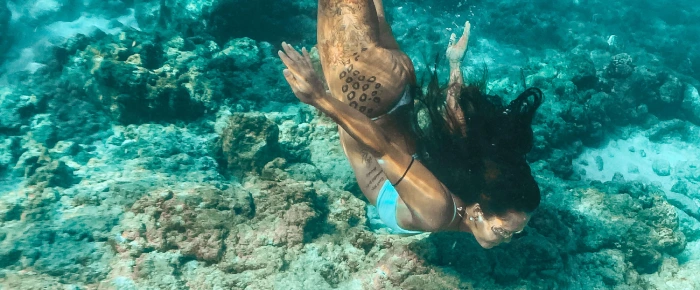
Rebuilding a Coral Reef
Students build coral nursery frames on land, then attach coral fragments under the guidance of marine biologists. They help clean artificial reefs and monitor the recovery of giant clams. Every task is explained first, so students know why it matters.
What Your Students Take Away
Students find out how coral reefs grow, why they are in danger and how restoration helps. The day supports biology and geography topics such as marine ecosystems, climate change and biodiversity. They use scientific vocabulary in English from start to finish.
Before You Go
Water activities depend on sea conditions and are supervised at all times. Students should be confident in the water and bring swimwear and reef-safe sun cream. This day is part of our Environment and Sustainability Programme.
Queen Sirikit Marine Farm Study Centre is a royal aquaculture project built around zero waste. Species are farmed together, so what one leaves behind feeds another. Students see sustainable seafood production at close range.
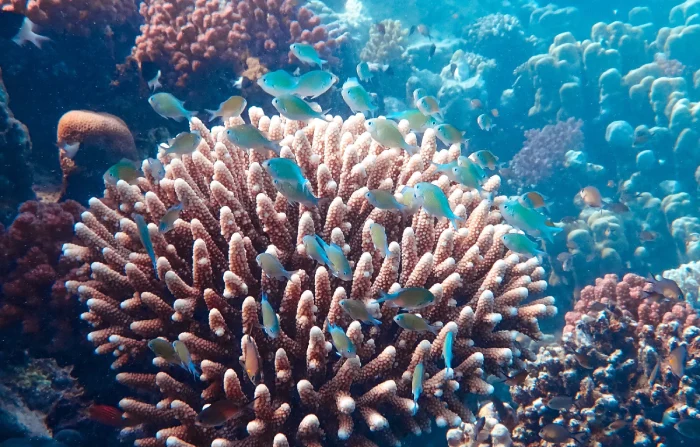
Farming the Sea
Students grow sea grape seaweed in earth ponds. They help with abalone and milkfish breeding and monitor the circular system that links the ponds together. Centre staff guide every activity and answer questions along the way.
What Your Students Take Away
The visit links to biology, geography and food technology lessons on aquaculture and food security. Students learn how circular systems cut waste and pollution. They compare this approach with the fishing methods they know from home.
Before You Go
Wear clothes and shoes that can get wet. The centre is an easy day trip within our programme area. This day is part of our Environment and Sustainability Programme.
Klongwan Fisheries Research Station is a Kasetsart University marine research centre in Prachuap Khiri Khan. Scientists here work on farming fish sustainably and protecting wild stocks. Students join them for the day.
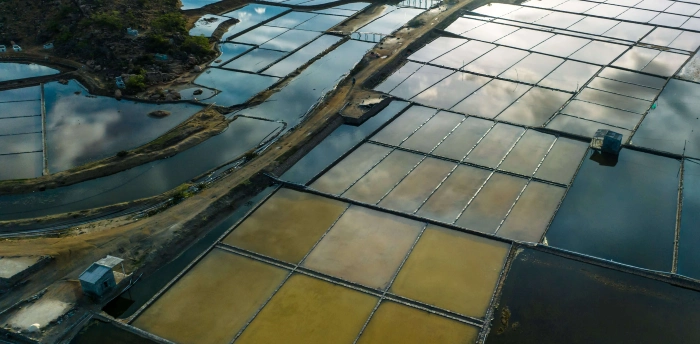
Working With Marine Scientists
Students look after live feed nurseries that keep young fish fed. They help breed and raise red snapper and sea bass. They also test water quality to find out what conditions fish need to thrive.
What Your Students Take Away
Students learn how fisheries science supports food security in Thailand and around the world. The day connects to biology and chemistry lessons on ecosystems, water chemistry and the scientific method. It also offers a first look at careers in university research.
Before You Go
The station is south of Hua Hin and the visit takes most of the day. Closed shoes are recommended in the laboratory and pond areas. This day is part of our Environment and Sustainability Programme.
Laem Phak Bia, in Phetchaburi province, is a royal project famous for cleaning wastewater the natural way. Lagoons, man-made wetlands and mangroves do the work instead of heavy machinery. Experts travel from all over the world to study it.
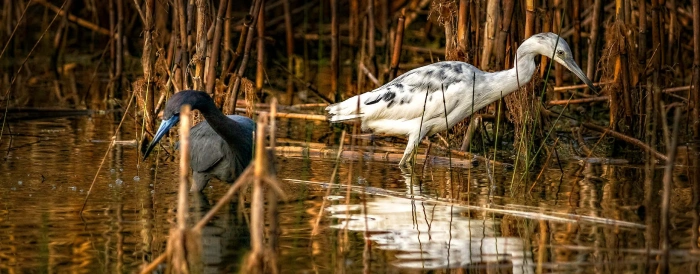
Testing the Water
Students test water quality at each stage of the lagoon and wetland system. They compare results to see how much cleaner the water gets along the way. Then they join a workshop on turning solid waste into organic compost.
What Your Students Take Away
Students see how plants, sunlight and nature can solve a serious pollution problem. The visit supports chemistry, biology and geography topics including water treatment and ecosystems. It is a practical example of low-cost technology any community could copy.
Before You Go
The site is north of Hua Hin and pairs well with other Phetchaburi visits on the same day. Hats, sun cream and water bottles are recommended. This day is part of our Environment and Sustainability Programme.
Sirindhorn International Environmental Park in Cha-am is a leading centre for renewable energy and coastal ecology. Its buildings, gardens and mangroves are designed to teach sustainability through experience. It is one of the closest environmental learning sites to Hua Hin.
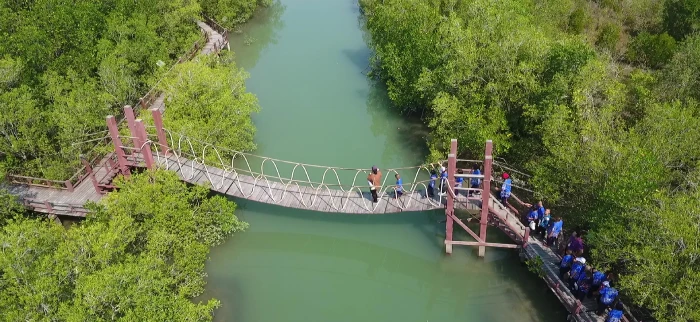
Solar, Wind and Mangroves
Students take part in solar energy training and wind power workshops. They explore interactive exhibits on biodiversity, energy and climate change. Then they help restore mangroves, planting seedlings in damaged coastal areas with conservation staff.
What Your Students Take Away
The visit links to physics, biology and geography lessons on energy, climate and coastal habitats. Students see how buildings and landscapes can be designed to use less energy. They leave with practical ways to shrink their own carbon footprint.
Before You Go
Cha-am is a short drive from Hua Hin, so this works as a half-day or full-day visit. Clothes that can get muddy are handy for mangrove planting. This day is part of our Environment and Sustainability Programme.
Sirinart Rajini Mangrove Learning Centre, near Pranburi, sits in one of Thailand’s first restored mangrove forests. Land once used for shrimp farming is now healthy coastal forest again. Students learn how that happened and help keep it going.
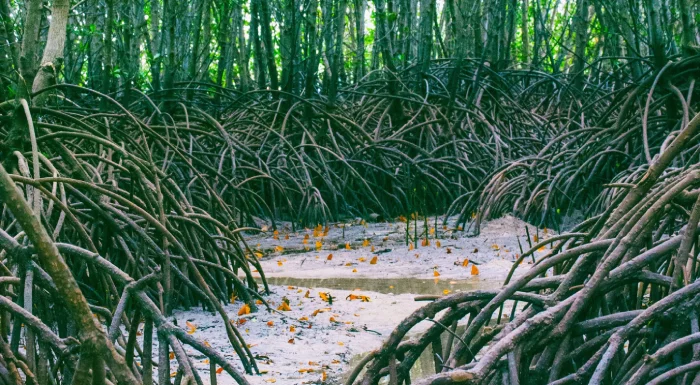
Planting and Surveying Mangroves
Students prepare mangrove seedlings and plant young trees in the tidal mudflats. They survey plants, crabs, fish and birds along a kilometre of raised boardwalk. Guides help them identify each species and record what they see.
What Your Students Take Away
Students learn how mangroves shield coastlines from storms and erosion, and how they lock away carbon. The visit supports biology and geography topics including ecosystems, climate change and coastal management. Running a biodiversity survey builds real science skills.
Before You Go
Planting happens in the mud, so old clothes and shoes are essential. The centre is south of Hua Hin and suits a half-day visit. This day is part of our Environment and Sustainability Programme.