

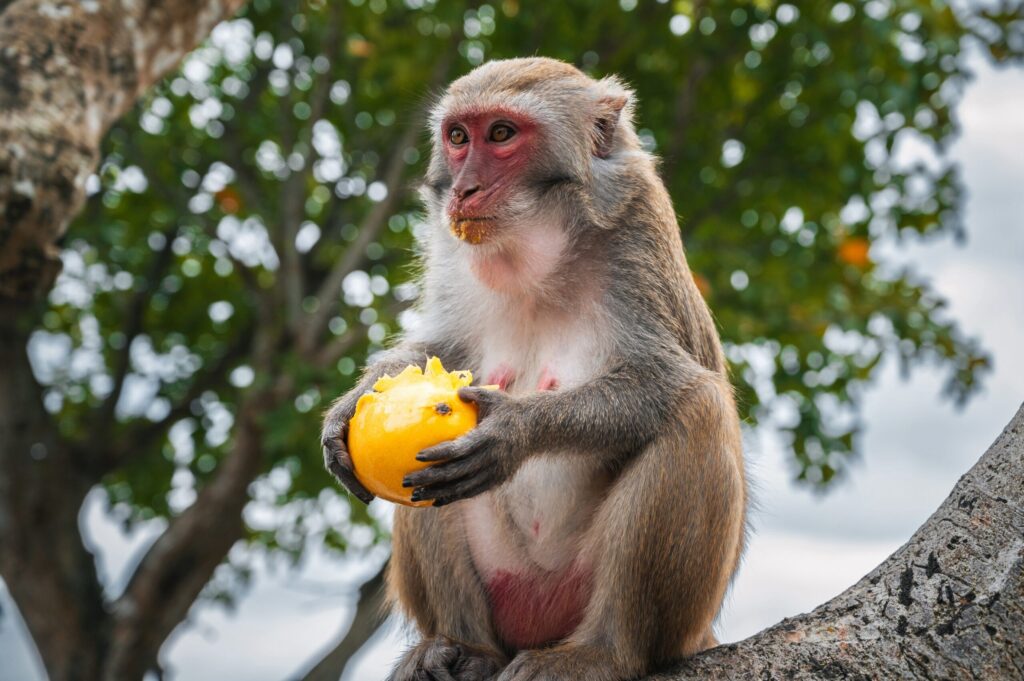
Why the Hua Hin Monkey Rehabilitation Centre Is a Meaningful Experience for Closed Groups
The Hua Hin Monkey Rehabilitation Centre is one of the most educational and thought-provoking experiences available to school and junior groups in Prachuap Khiri Khan. A visit here helps students see how Thailand manages wildlife, protects ecosystems, and balances tourism with animal welfare. Official information from the Tourism Authority of Thailand’s page on Khao Chong Krachok explains how this hilltop temple and surrounding area are closely linked with local monkeys and daily life. For students joining a residential English camp, the centre offers a calm setting to observe animals safely while hearing real stories about rescue and rehabilitation. It fits naturally into the wider cultural programme and sits alongside other activities featured in Dragon Study Tours’ guide to 50 things to do in Hua Hin, giving groups a deeper, more responsible view of the destination.
How the Hua Hin Monkey Rehabilitation Centre Builds Respect and Real Communication
A visit to the Hua Hin Monkey Rehabilitation Centre gives students time to watch, think, and ask questions, rather than rushing from stall to stall like at a busy market. Staff can explain why some monkeys are brought in, how they are treated, and what the long-term plans are for their care. In class, teachers often prepare simple vocabulary connected to behaviour, safety, and protection, then encourage learners to use that language while they observe. When students read about cases such as the management of macaque populations in Lop Buri, covered by The Guardian’s report on rounding up city monkeys, they can compare what they see in Hua Hin with wider national policy. For young people who travel to learn English in Thailand, this kind of structured but emotional experience encourages slower, more thoughtful speaking that feels real rather than forced.
Why the Hua Hin Monkey Rehabilitation Centre Works Well for Closed Groups
The Hua Hin Monkey Rehabilitation Centre is particularly suitable for closed groups because it offers clear paths, defined viewing areas, and staff who understand how to handle school visits. Teachers can divide students into small groups, rotate between observation points, and set simple communication tasks such as describing what the monkeys are doing, asking staff for information, or summarising key rules for staying safe. When combined with secure on-site accommodation at The Palm Residence, this makes planning very straightforward for leaders. The calm environment contrasts nicely with busier excursions, helping to balance the weekly timetable of a residential English camp. Reports such as the Bangkok Post article on macaques rescued from smugglers in Sa Kaeo give teachers extra material to show that rescue and rehabilitation are part of a broader national effort, not just a single attraction.
Linking the Hua Hin Monkey Rehabilitation Centre to Classroom Learning
The Hua Hin Monkey Rehabilitation Centre fits neatly into themes commonly taught during Dragon Study Tours programmes: animals, habitats, responsibility, and human impact on nature. Before the visit, teachers can introduce words such as troop, enclosure, rescue, and endangered, then build simple question forms so students are ready to interact. After the excursion, they can ask students to present what they learned, compare monkey behaviour with animals in their home country, or design posters about responsible tourism. All of this ties in with the structured syllabus outlined in the academic programme, which blends classroom skills with real-world use. For learners who come to learn English in Thailand, this approach proves that English is a tool for understanding the world, not just passing an exam, and helps them remember vocabulary because it is attached to strong impressions.
How the Hua Hin Monkey Rehabilitation Centre Enriches a Residential English Camp
For many students, the Hua Hin Monkey Rehabilitation Centre becomes one of the most memorable parts of their residential English camp because it connects emotion, curiosity, and language. Some learners feel surprised at how intelligent and expressive the monkeys are; others feel more serious when they hear about injury, rescue, or release. Teachers can turn these reactions into short reflective tasks, such as writing a few sentences about how they felt when they first saw the monkeys up close. These activities support confidence and empathy, and often lead to better participation back in class. The experience also deepens students’ picture of Hua Hin as more than a beach town, showing that it is linked to wider environmental issues in Thailand. It is one of the reasons the centre features alongside other carefully chosen stops in the 50 things to do in Hua Hin list, giving groups a programme that is not only fun but also responsible.
Conclusion
The Hua Hin Monkey Rehabilitation Centre is a meaningful choice for any closed group planning a residential English camp in Hua Hin. It combines wildlife observation, education, and safe supervision in a way that supports both language learning and character development. For schools and agents interested in how this visit can be built into a full programme, the best starting point is the main Dragon Study Tours homepage, where the website is also available in several languages, including a dedicated Chinese homepage. For learners who travel to learn English in Thailand, the Hua Hin Monkey Rehabilitation Centre shows that English can help them understand real issues, ask serious questions, and see their study trip as more than just a holiday.