

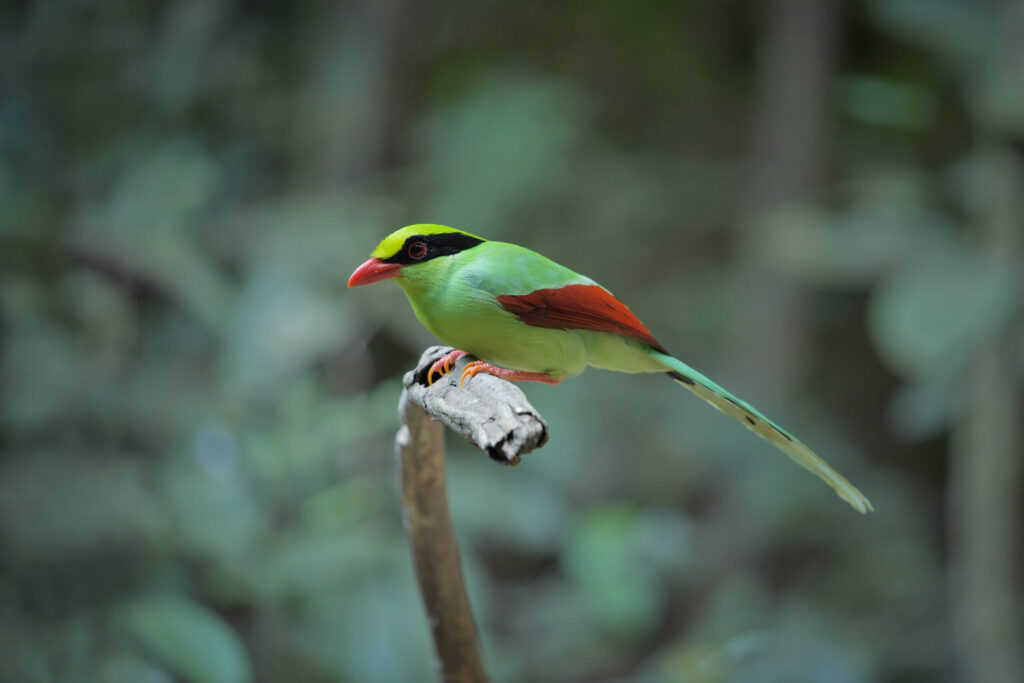
Hua Hin Bird Conservation Centre: The Ultimate Coastal Nature Experience for Young Learners
The Hua Hin Bird Conservation Centre offers a calm, educational setting where young learners can encounter Thailand’s coastal wildlife in a meaningful and memorable way. Located near the wetland areas of Prachuap Khiri Khan, the centre gives students the chance to observe native and migratory birds up close while taking part in guided walks, coastal studies, and nature-based language activities. Hua Hin is increasingly recognised as an important bird-watching destination, particularly for groups exploring the region’s beaches, mangroves, and marshes. Recent coverage highlights the area as an avian haven for wildlife enthusiasts and travellers seeking natural experiences. See a local feature here.
A visit to the centre can be integrated with activities at the residence, allowing leaders and students to develop a themed programme that combines observation, research, and communication skills. Returning to the classroom after time outdoors allows learners to reflect, present findings, and reinforce new vocabulary. This works particularly well alongside our Academic Programme where teachers guide every lesson, activity, and project with clear learning aims.
How the Hua Hin Bird Conservation Centre Supports Meaningful Learning
The Hua Hin Bird Conservation Centre sits close to tidal flats, mangrove forests, and stretches of quiet coastline that attract important species throughout the year. These habitats make Hua Hin a natural stopping point for migratory birds travelling across Asia. Students who explore these areas can observe how different environments support distinct species and behaviours.
Teachers preparing a visit may find it useful to map routes in advance, using public guides that document accessible trails and observation spots in the province. One such resource lists bird-watching trails across Hua Hin, which can help educators plan excursions based on group age and ability. View bird-watching routes here.
After returning to The Palm Residence, groups may complete reflective writing activities, nature journals, or short presentations based on species observed. Everything is under one roof, which makes transitions smooth and keeps the focus on learning rather than logistics.
To complement an outdoor excursion, groups may also explore the wider region. Activities outlined in 50 Things to Do in Hua Hin fit well with nature-focused programmes and can be scheduled throughout the stay.
How the Hua Hin Bird Conservation Centre Supports Environmental Awareness
Time spent at the Hua Hin Bird Conservation Centre also introduces students to environmental themes across Thailand. Bird populations are valuable indicators of ecological health, and shifts in species numbers can reveal wider concerns such as habitat loss and environmental pressure. This context helps learners understand that wildlife observation is not only enjoyable but also scientifically relevant.
Reports in Thailand have highlighted changing attitudes towards protected species and the importance of continued conservation work. For example, concerns have been raised about policies affecting songbirds and how these changes may impact long-term preservation efforts. Read the report here.
Other reports document how searches for rare birds have uncovered the fragile state of wildlife populations in remote areas of the country. These investigations help students understand the role conservationists play in protecting species. See a recent article here.
Local organisations have also launched campaigns focused on promoting awareness and stewardship among young people. These efforts illustrate how education and community engagement support conservation. Learn more here.
Teachers can build lessons around these articles, encouraging learners to explore topics such as policy, environmental responsibility, and advocacy. These activities support English development by providing real-world content with meaningful purpose.
Hua Hin Bird Conservation Centre and Residential Learning
A visit to the Hua Hin Bird Conservation Centre fits naturally within a longer residential camp programme, where students stay, study, and explore together in a structured and secure environment. For many groups, the goal is not only to learn English but to experience Thailand in an immersive way. A residential programme ensures students are surrounded by English throughout the day, whether in lessons, mealtimes, excursions, or evening activities. This continuity helps younger learners gain confidence quickly, especially when supported by teachers who guide both academic and pastoral elements of the stay.
Hua Hin Bird Conservation Centre and Learning English in Thailand
Studying English in Thailand offers a distinct advantage for groups seeking a balance of education and cultural discovery. Hua Hin provides a calm destination away from crowded city centres, making it suitable for closed junior groups who benefit from safe, predictable routines. The surrounding coastline, nature reserves, and cultural sites provide real-world content for lessons, while the town’s compact layout reduces travel time and keeps schedules efficient. When incorporated into a residential programme, visits to nature sites such as the Hua Hin Bird Conservation Centre support project-based learning, thematic lessons, and meaningful communication tasks. Students gain a deeper understanding of language through direct interaction with their environment rather than through classroom-only instruction.
Hua Hin Bird Conservation Centre as Part of a Complete Study-Travel Experience
The Hua Hin Bird Conservation Centre is an ideal addition to a longer itinerary in Hua Hin. Groups are able to combine their academic schedule with practical fieldwork, cultural excursions, and beach-based activities. This creates a programme that is active, balanced, and designed specifically for closed junior groups. To view inspiration for the wider schedule, leaders may explore our list of local attractions and experiences. See suggested activities here.
The wider region is also accessible to multilingual audiences, with information available in several languages including Chinese. Families and partners can browse programme details in their preferred language. View the Chinese homepage here.