

Huai Sai Wildlife Breeding Centre: 5 Essential Ways It Inspires Young Conservationists
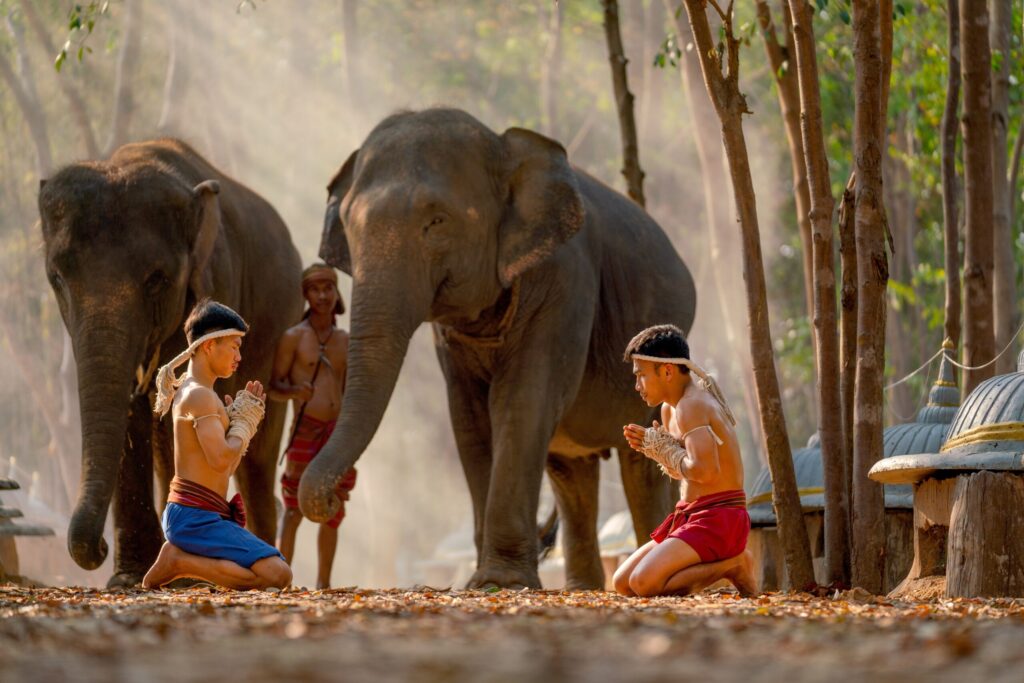
The Huai Sai Wildlife Breeding Centre is one of Thailand’s most important conservation hubs, and it offers young learners far more than a normal excursion. When closed junior groups stay at a Residential Learning Centre in Hua Hin, the visit becomes a full learning journey that links English learning with real environmental understanding. Students see endangered animals being rehabilitated and learn how experts restore local ecosystems. A recent overview from the Wildlife Conservation Society highlights how critical Thailand’s conservation sites are for protecting native species, and this context helps learners appreciate the significance of what they see. Teachers can prepare classes using our structured Academic Programme, ensuring the trip becomes meaningful, memorable, and academically strong.
Huai Sai Wildlife Breeding Centre and Hands-On Learning for Closed Junior Groups
The Huai Sai Wildlife Breeding Centre gives students a rare chance to see wildlife conservation happening in real time. Before arriving, groups can study basic species information and environmental vocabulary, making the visit more engaging. At the centre, small-group observation tasks encourage learners to ask questions, take notes, and compare what they see with their pre-lesson materials. Because they return each day to a supportive Residential Learning Centre environment, teachers can run follow-up discussions and reflection activities that deepen understanding. This Preparation → Instruction → Reinforcement cycle ensures the experience goes beyond sightseeing and becomes a structured part of their learning week. Groups staying at The Palm Residence can also use quiet evening sessions to share findings and prepare short presentations as part of their project work.
Huai Sai Wildlife Breeding Centre, Local Ecosystems, and Real-World English
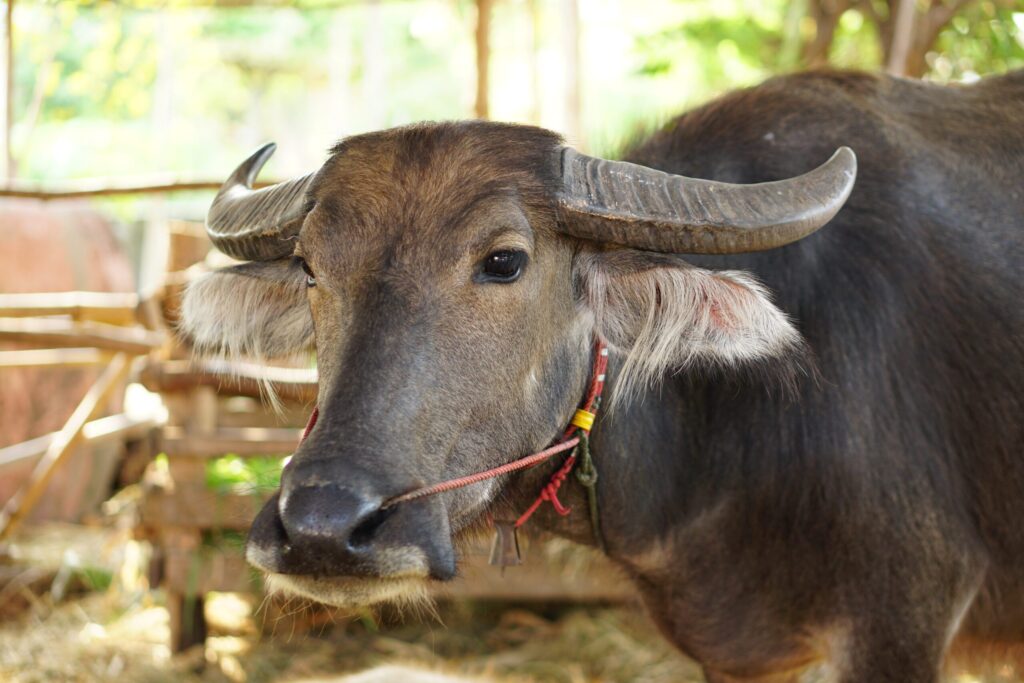
A trip to the Huai Sai Wildlife Breeding Centre helps students understand how Thailand’s ecosystems connect across forests, rivers, and coastal zones. Many groups link the visit with nearby national parks and compare their findings with conservation reports such as the Kuiburi Wildlife Conservation Project. In class, learners build simple diagrams showing how elephants, deer, predators, and smaller species depend on one another. Teachers guide conversations about why protected areas matter and how human behaviour affects wildlife. Back at the residence, leaders run reflection activities where students discuss their favourite species, surprising facts, and one practical change they want to see in their own community. These sessions strengthen speaking skills and give learners authentic reasons to use English with confidence.
Huai Sai Wildlife Breeding Centre as Part of a Wider Hua Hin Learning Journey
The centre works best as part of a bigger programme around Hua Hin. Groups often start with morning lessons and then explore beaches, temples, and cultural sites listed in 50 Things to Do in Hua Hin. Each excursion links back to the same weekly learning goals, allowing teachers to build a cohesive educational theme. Some classes produce simple “Wildlife in Thailand” booklets using photos and interview questions gathered during the trip. Others prepare posters or mini-presentations for younger pupils back home. Schools that need pre-departure support can also view our Chinese-language site at 龙之研学旅程, helping parents and leaders plan confidently. For wider context, groups can explore articles from Wildlife Thailand, a respected community resource focused on Thailand’s natural habitats.
Huai Sai Wildlife Breeding Centre is an inspiring way to combine conservation, English learning, and meaningful adventure. By blending trusted external resources, carefully planned lessons, and a supportive residential setting, teachers can create a week that is academically rich and genuinely memorable. When groups are ready to plan their next educational journey, the Dragon Study Tours homepage provides full programme details and options to customise their visit.
Conclusion
The Huai Sai Wildlife Breeding Centre is far more than a conservation site—it is a transformative learning environment for young people who are ready to explore the world beyond the classroom. When students observe endangered animals up close and learn how specialists rehabilitate them for release, they gain a deeper appreciation of the urgent conservation work highlighted by organisations such as the Wildlife Conservation Society. Experiences like these help young learners understand the importance of protecting Thailand’s biodiversity and inspire a genuine sense of responsibility for the natural world.
What makes this visit especially powerful is how it connects directly with the structured lessons delivered through our Academic Programme. Students move from guided preparation in class to meaningful fieldwork and then to reflective work back at a Residential Learning Centre, reinforcing both language skills and environmental understanding. The cycle of preparation, experience, and reflection ensures the learning remains purposeful and memorable.
The wider region also enhances the impact of the visit. Groups often explore local nature sites listed in 50 Things to Do in Hua Hin, allowing teachers to link each experience to a broader theme of environmental awareness. Additional context from respected sources such as Wildlife Thailand helps students compare what they see in the field with real conservation challenges across the country.
For schools seeking an experience that blends adventure, education, and real environmental value, the Huai Sai Wildlife Breeding Centre offers an unforgettable foundation. Programme details and tailored options are available anytime through the Dragon Study Tours homepage.