

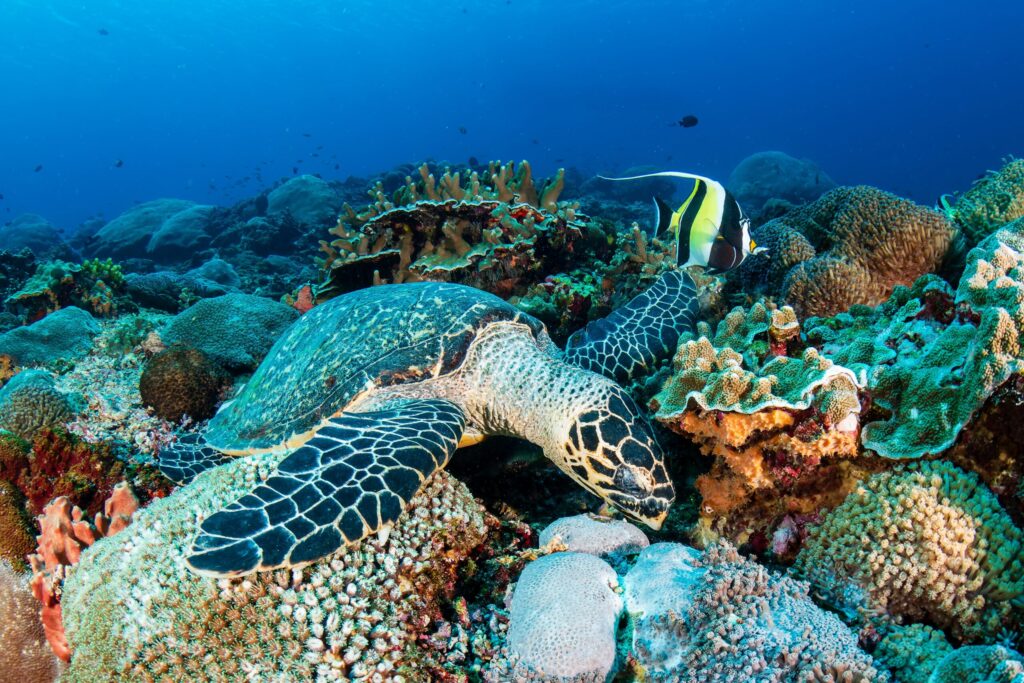
7 Essential Reasons to Choose the Hua Hin Turtle Conservation Experience
The Hua Hin Turtle Conservation Experience is one of the most educational and meaningful activities available for closed junior groups visiting Hua Hin. It gives students a rare chance to learn about endangered species, marine ecosystems, and Thailand’s conservation work in a hands-on, safe, and inspiring way. Reports such as the one from Reuters highlight how Thailand is protecting threatened turtle populations, and this experience helps students see that science and environmental care are real and relevant. For learners travelling to learn English in Thailand, this activity blends English practice with genuine curiosity and emotional engagement. It also connects naturally to the structured classroom work done during their stay, and sits alongside the many activities found in our guide to 50 Things to Do in Hua Hin.
How the Hua Hin Turtle Conservation Experience builds meaningful communication
The Hua Hin Turtle Conservation Experience gives learners a calm, reflective setting where they can observe behaviour, ask questions, and describe what they see. Instead of noisy markets or fast-moving attractions, the environment is naturally quieter, allowing teachers to help students develop clearer language connected to nature, protection, and responsibility. Articles from Hua Hin Today show how turtle hatchlings and conservation projects are part of the community’s identity. Students can talk about habitats, dangers faced by turtles, and how conservationists help protect nests. For a residential English camp, it’s an ideal moment for real-world speaking that is slow, thoughtful, and meaningful. Learners who usually feel shy often speak more when they experience something emotionally powerful.
Why the Hua Hin Turtle Conservation Experience works so well for closed groups
The experience is designed to be educational, safe, and manageable for school groups of different ages. Clear paths, organised viewing areas, and supportive staff mean that teachers can supervise easily while allowing students freedom to explore within safe boundaries. When combined with our secure on-site accommodation at The Palm Residence, excursions like this become effortless to run. Leaders can focus on learning, wellbeing, and emotional development rather than logistics. For young learners joining a residential English camp, this gentle, structured outing helps build confidence, teamwork, and empathy. Because the environment is calm, teachers can provide short language tasks such as describing movements, asking for information, or summarising what conservation means. These activities help students learn English in Thailand while connecting emotionally to nature.
Linking the Hua Hin Turtle Conservation Experience to the classroom
This activity naturally supports the English topics often taught during a Dragon Study Tours programme: animals, nature, responsibility, and simple science vocabulary. Before the visit, teachers may introduce words like flippers, hatchling, rescue, habitat, or endangered, helping students prepare. After the experience, students can present what they learned, compare turtles to animals from their home countries, or create posters about marine protection. Articles such as the one from the Bangkok Post demonstrate how Thai culture and the environment are deeply linked; teachers can use this idea to spark conversation about local attitudes to wildlife. All of this fits naturally within our structured Academic Programme, giving students chances to learn English in Thailand through real-world experience that feels authentic and personal.
How the Hua Hin Turtle Conservation Experience helps students appreciate Thailand
This experience shows learners that Hua Hin is more than beaches and markets; it is part of a wider effort to protect Thailand’s marine environment. Students gain a deeper understanding of local responsibility, the challenges turtles face, and why marine conservation matters. For many who join a residential English camp, this becomes one of the most memorable activities of the trip because it combines new knowledge, real animals, and emotional connection. Teachers often notice that after this visit, students ask more questions in class, participate more actively, and show more interest in environmental topics. This is one of the reasons we include it in our curated list of 50 Things to Do in Hua Hin. When learners later read or talk about animals, the vocabulary and ideas come back naturally.
A calm, educational experience ideal for all ages
The Hua Hin Turtle Conservation Experience avoids noise, crowds, and overstimulation, making it suitable for younger groups who need clear structure. The calmness helps students feel comfortable and safe, and it gives teachers space to support communication without rushing. For older groups, the conservation angle encourages more complex discussion, like why animals become endangered or how pollution affects oceans. These kinds of discussions help students learn English in Thailand through real personal interest. The experience is flexible, allowing each group to move at a pace that suits their age, language level, and curiosity. For closed groups staying at The Palm Residence, it fits perfectly into a balanced weekly programme of culture, learning, and exploration.
Conclusion
The Hua Hin Turtle Conservation Experience is a powerful, memorable, and educational activity that enriches every Dragon Study Tour. It blends real conservation work with natural English practice, making it perfect for young learners on a residential English camp. To explore how this experience fits into your group’s overall programme, visit the Dragon Study Tours homepage or view our website in Chinese at for translated information.